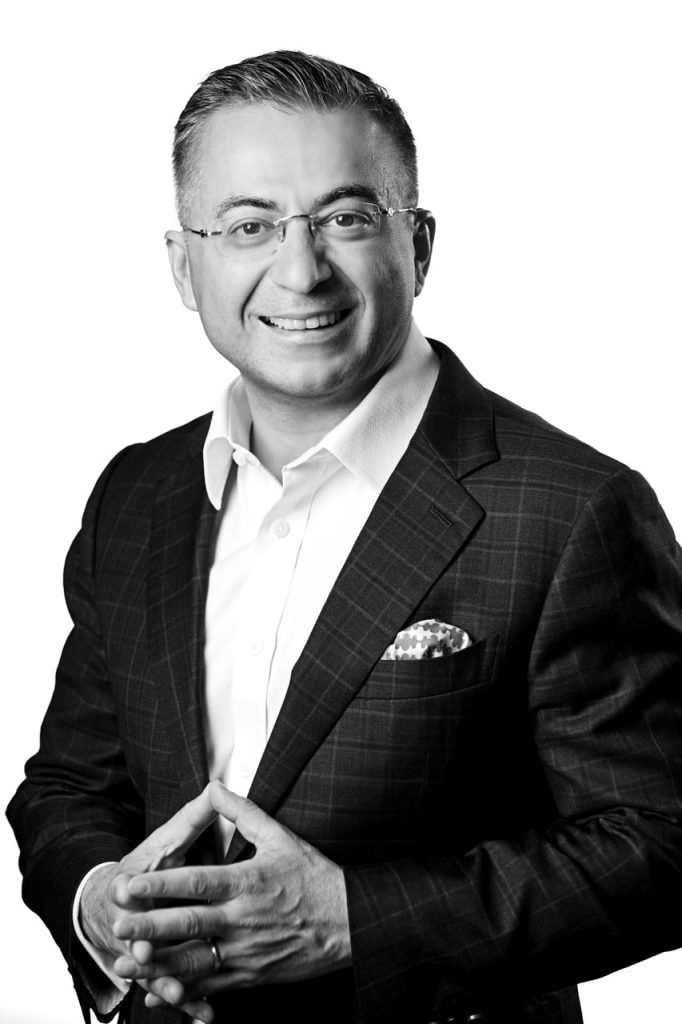
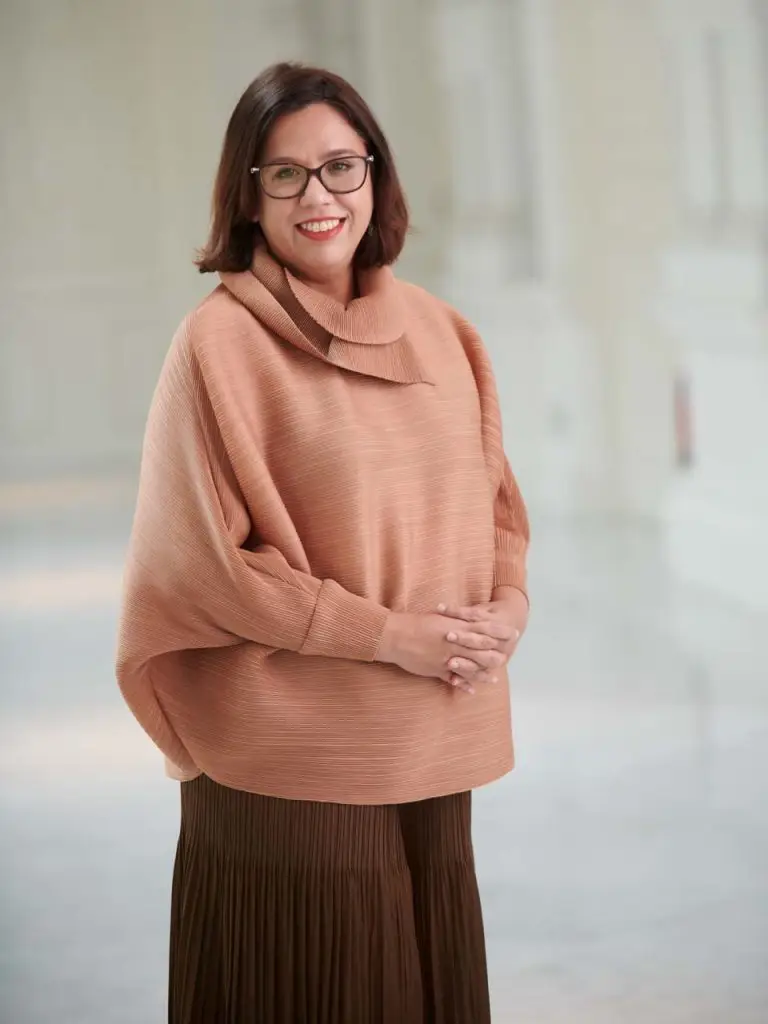
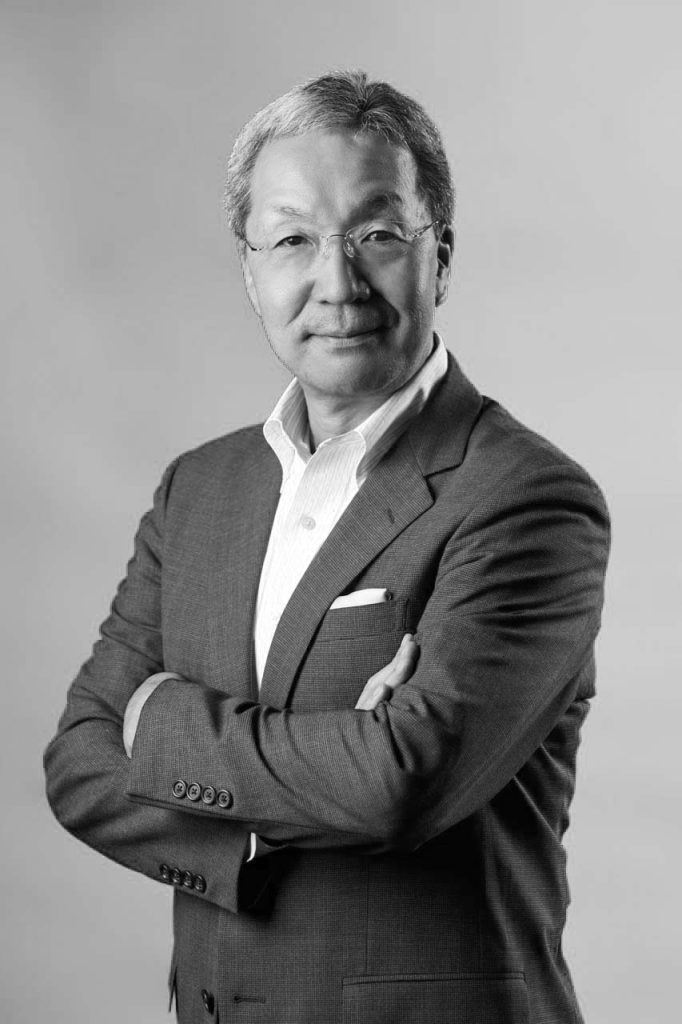
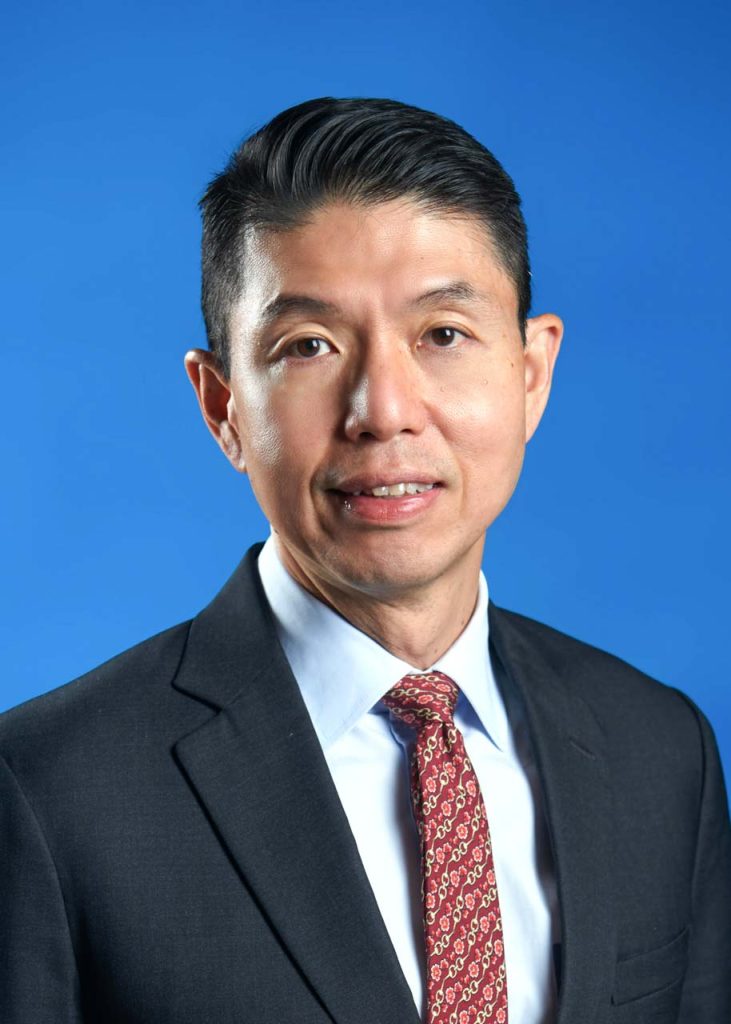
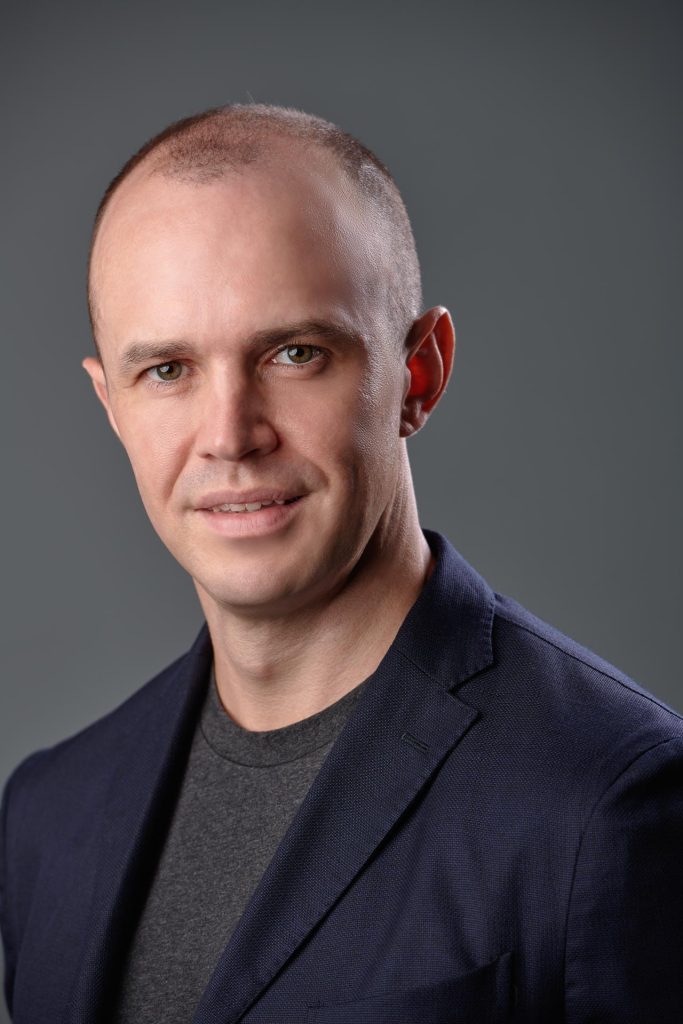
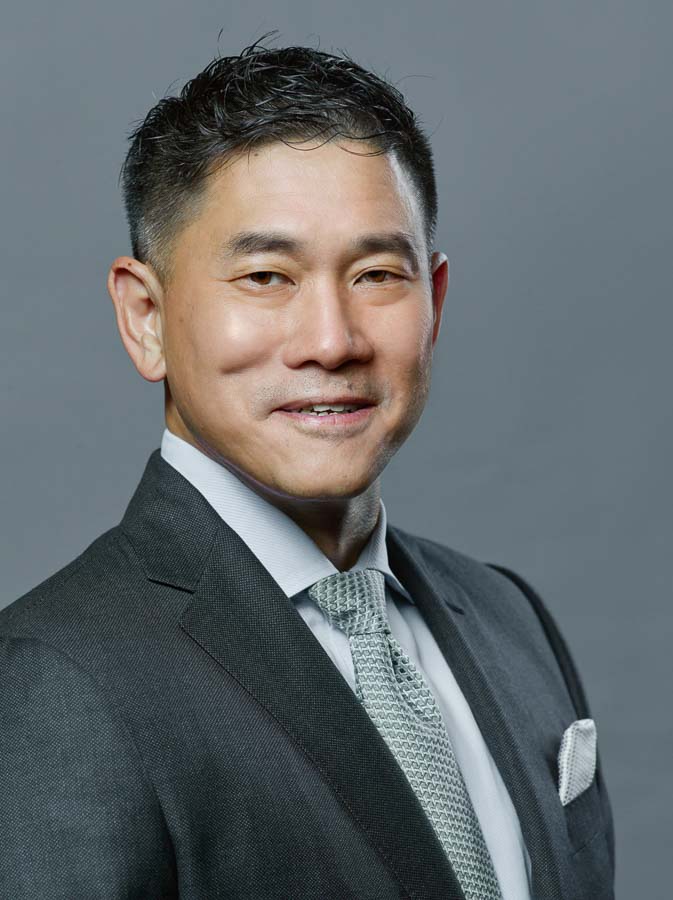
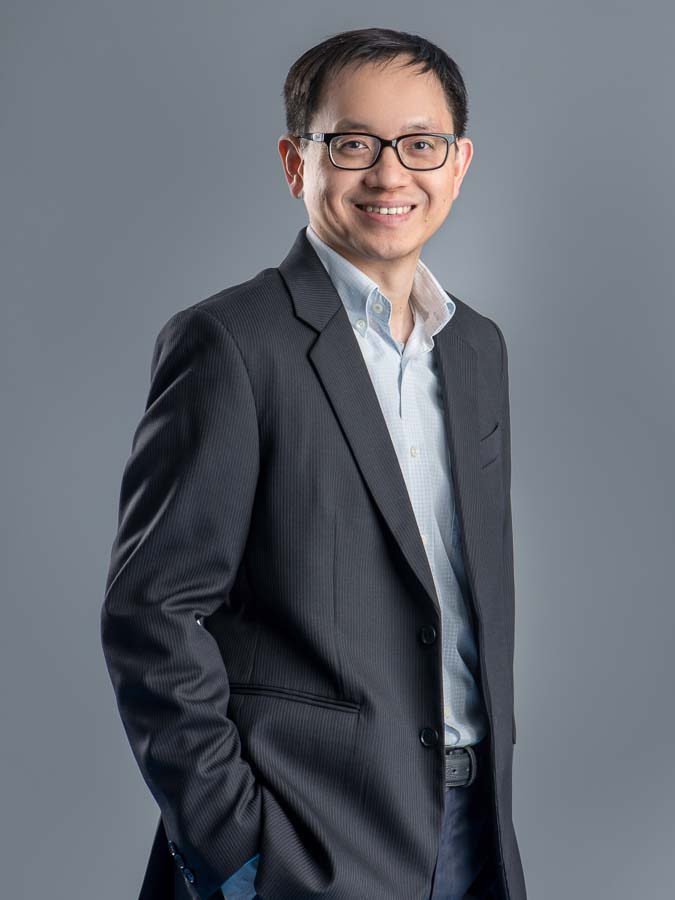
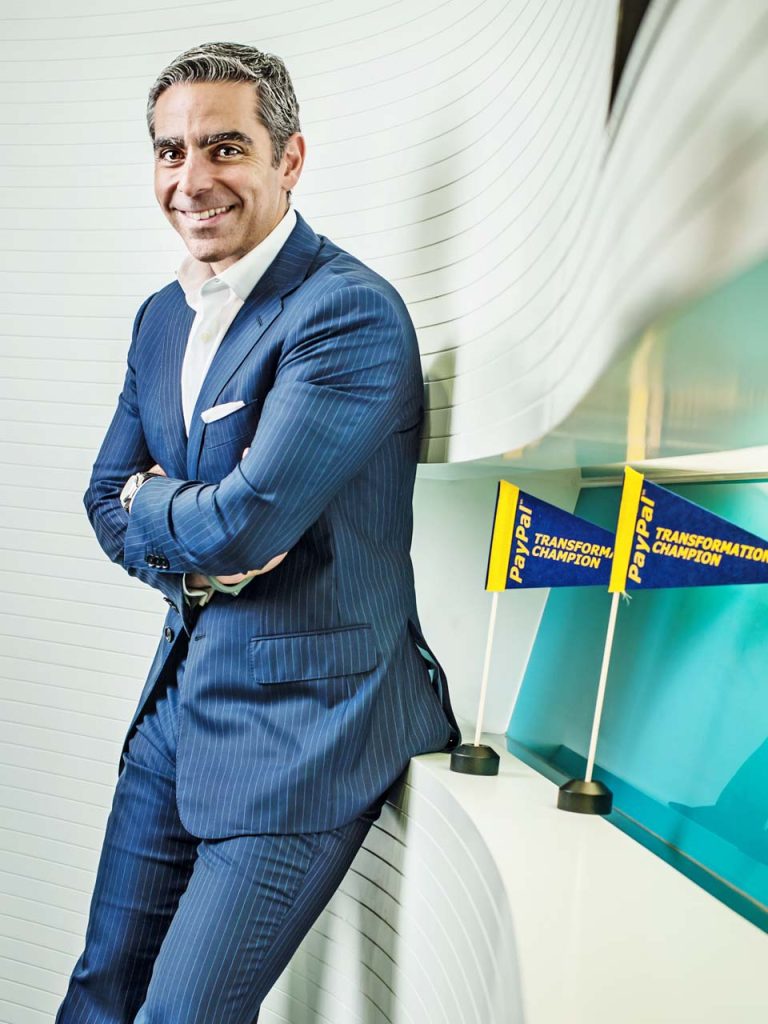
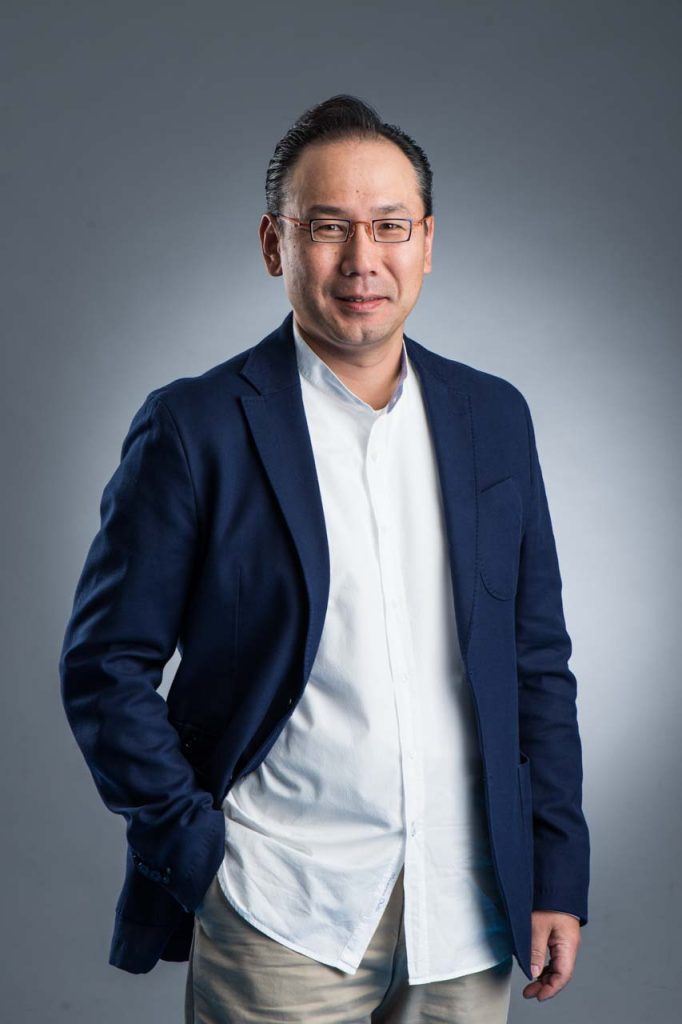
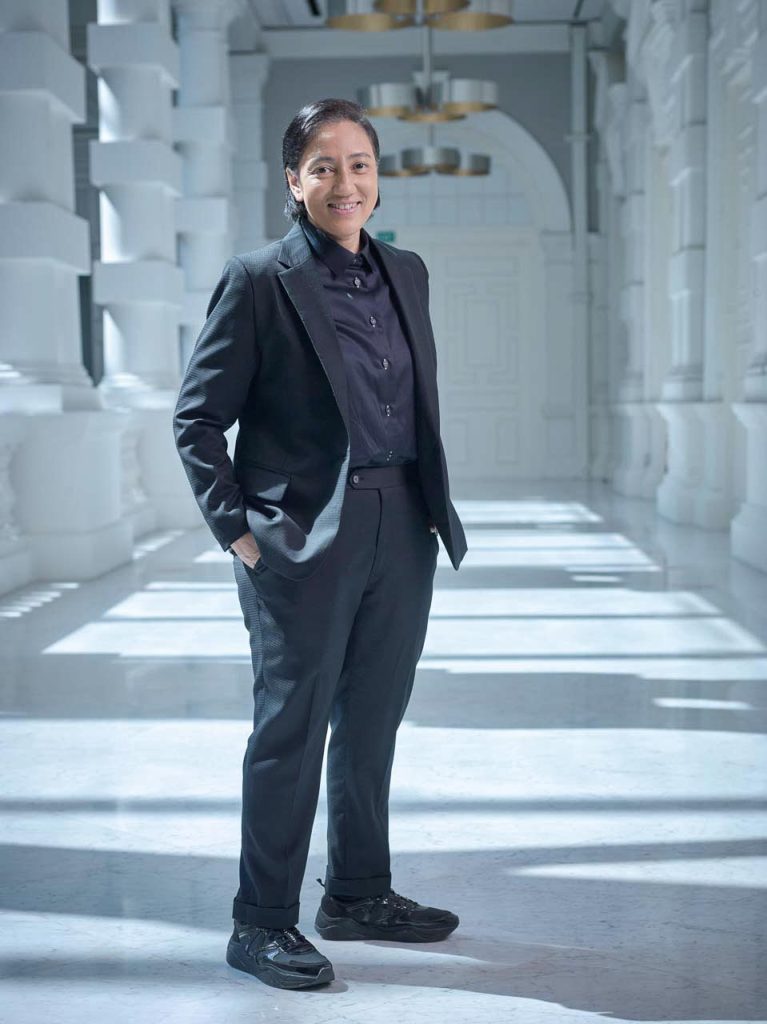
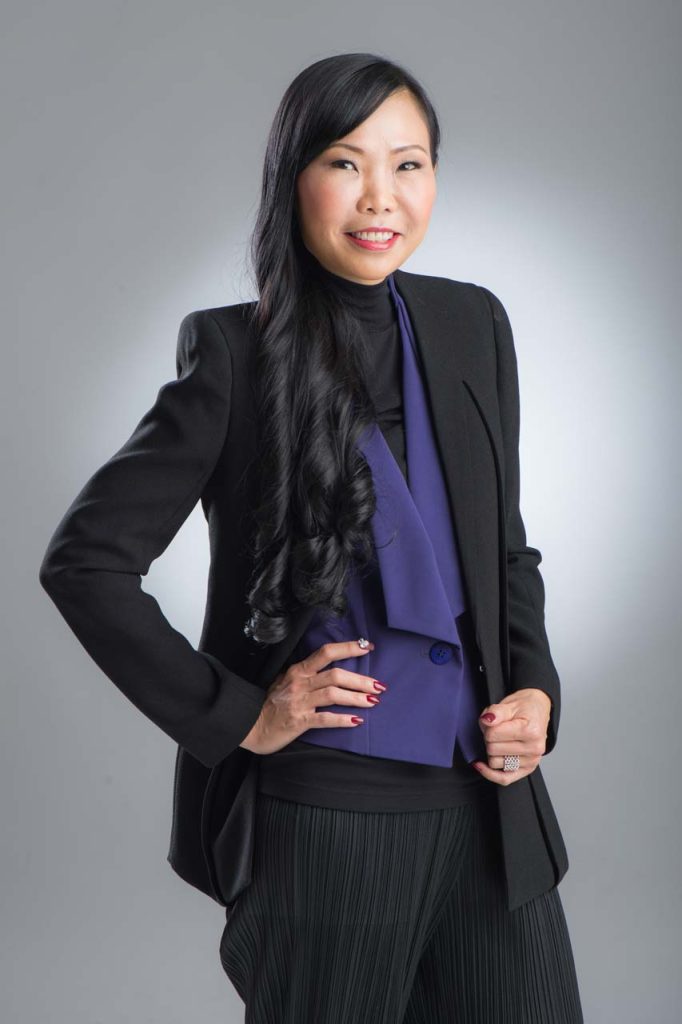
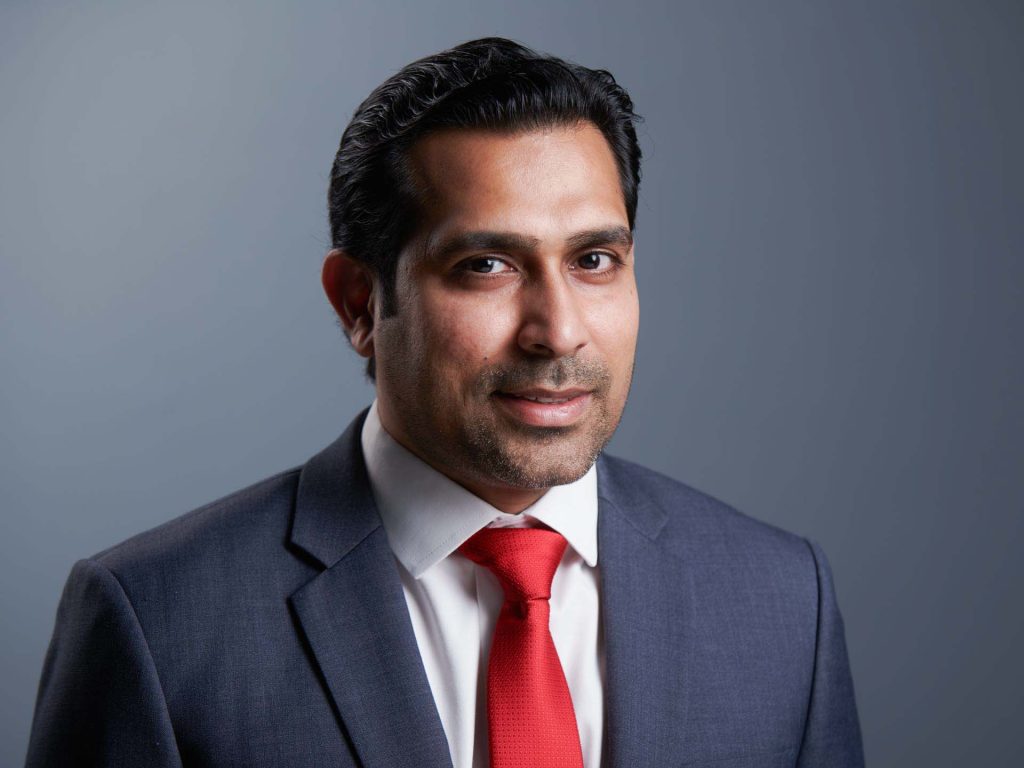
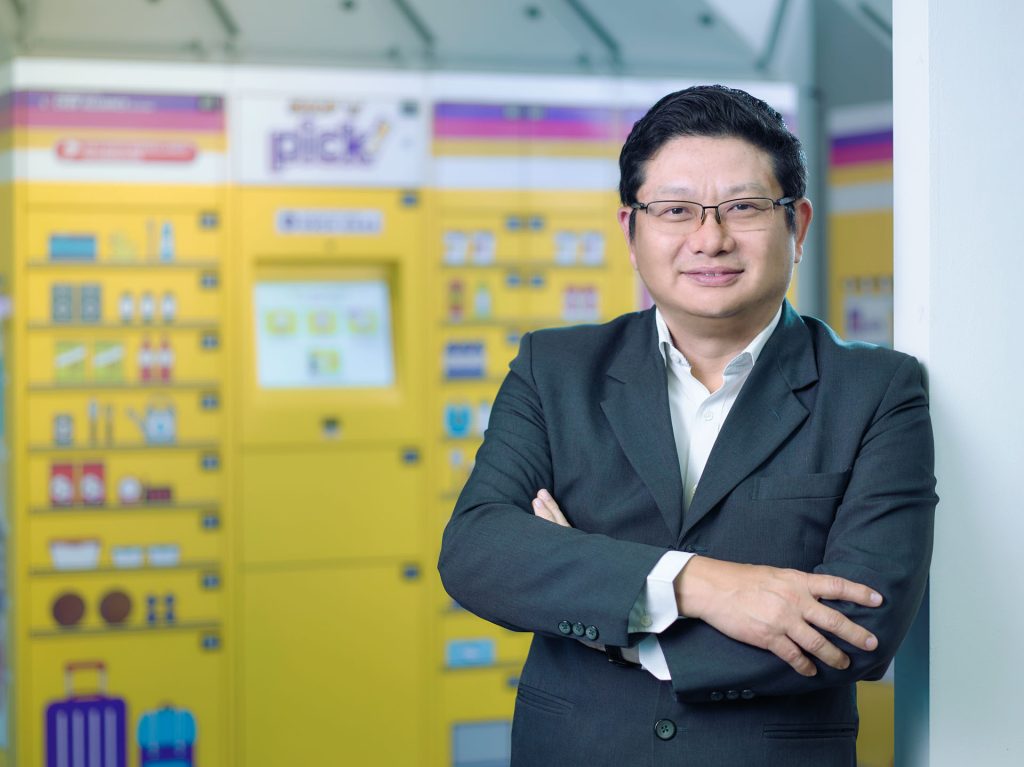
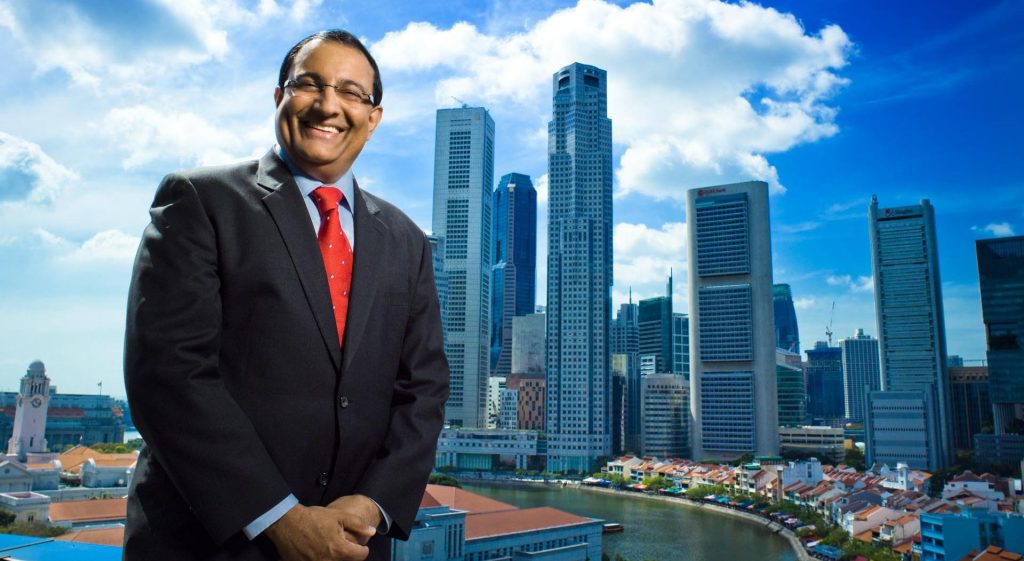
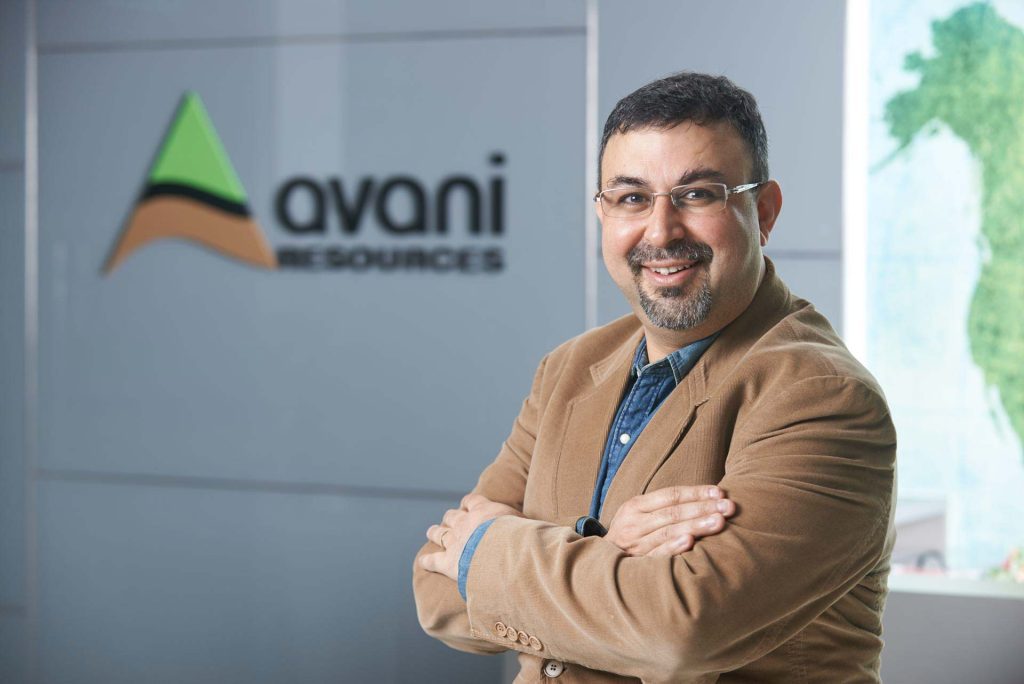
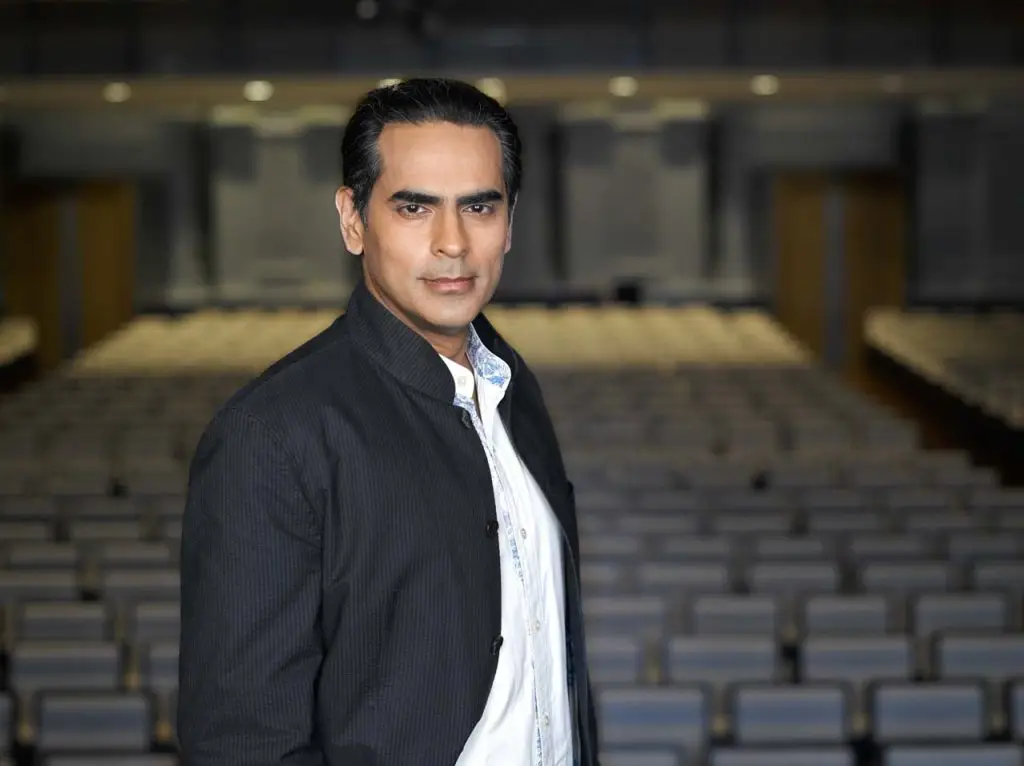
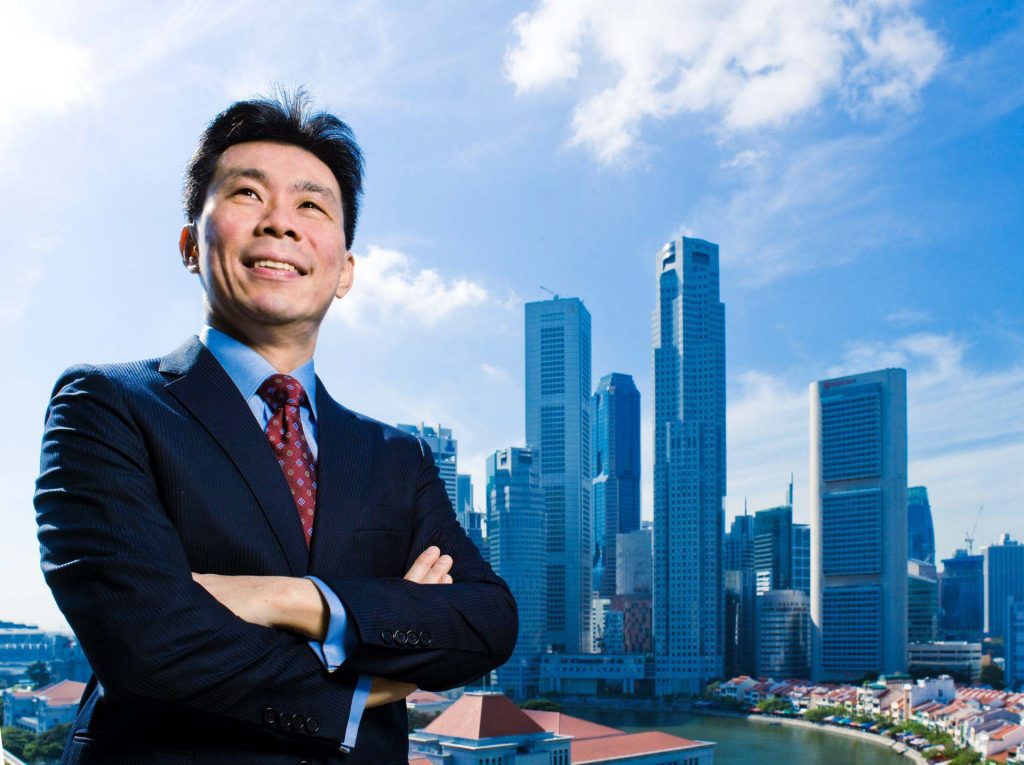
CEO portrait photography Singapore companies use for annual reports, investor material and leadership pages is a specific discipline: one photograph that has to carry authority, hold up in print at size, and still look like the person who sat for it. This page sets out how we make those portraits, and what to expect.

Our CEO portrait photography Singapore work runs from a single chief executive sitting to a full board photographed across a day, shot at your office or in our studio. It covers presidents, managing directors, C-suite and vice-presidents alike.
An executive corporate portrait is a commissioned photograph of a senior individual — a chief executive, managing director, board member or senior partner — made to represent both the person and the organisation they lead.
However, we produce it differently from an ordinary portrait. For example, the sitting runs longer and the styling is deliberate. The lighting shapes authority rather than neutrality. Finally, we retouch the file to the standard a printed annual report or a magazine page demands.

A personal portrait pleases the person in it. A staff headshot identifies them. A CEO portrait has to satisfy an audience judging the organisation.
A staff headshot is built for consistency. Every colleague is photographed to one fixed specification so that no individual stands out, and that is exactly what a directory needs. A personal portrait can be flattering, casual, seasonal or fashionable, because it answers only to the person in it.
A CEO or board portrait answers to shareholders, analysts, regulators, journalists and prospective partners. That changes every decision. It has to stay credible for years, reproduce correctly in print and on screen, sit consistently beside the portraits of the other directors, and hold its own next to an audited financial statement.
So where a headshot is built for consistency, an executive portrait is built for distinction, because it appears wherever that person is named and personally accountable. A chief executive usually needs both. The headshot goes in the staff directory. The portrait goes everywhere the company itself is being judged.
Yes. Most of our executive work is for presidents, managing directors, country heads, regional vice-presidents and senior partners rather than chief executives alone.
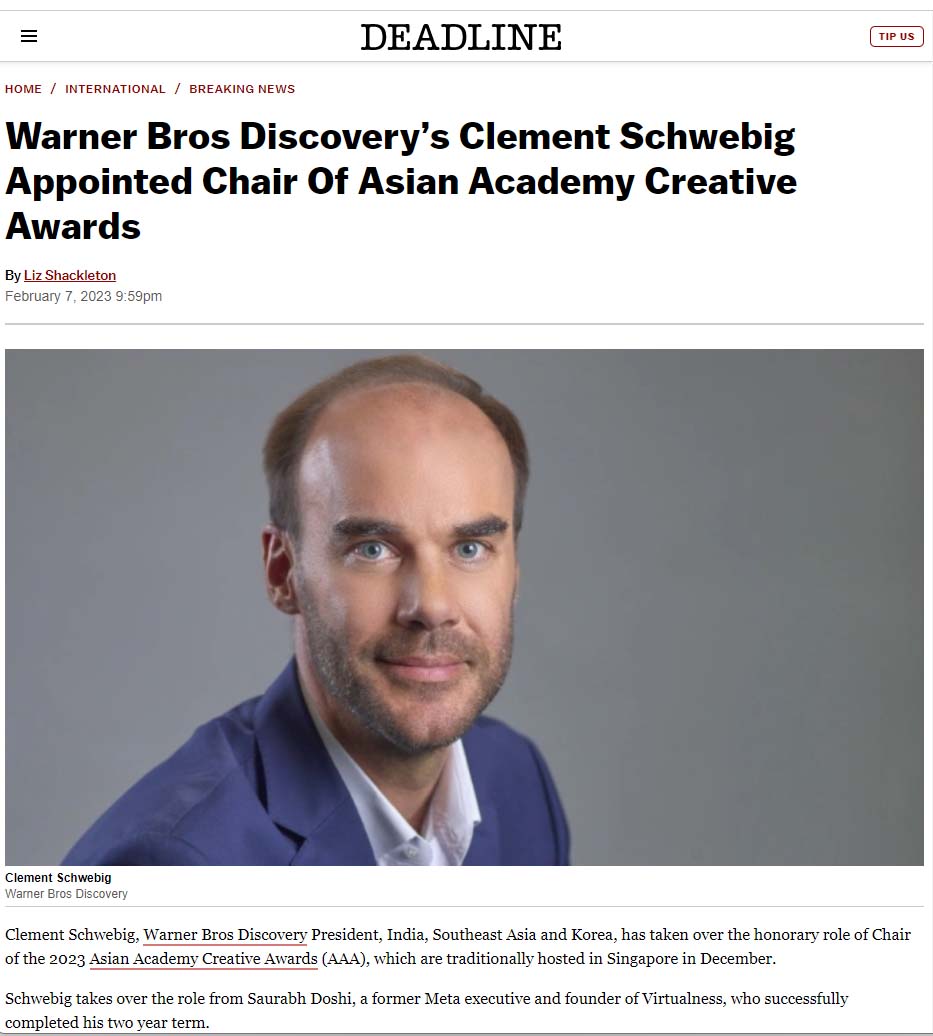
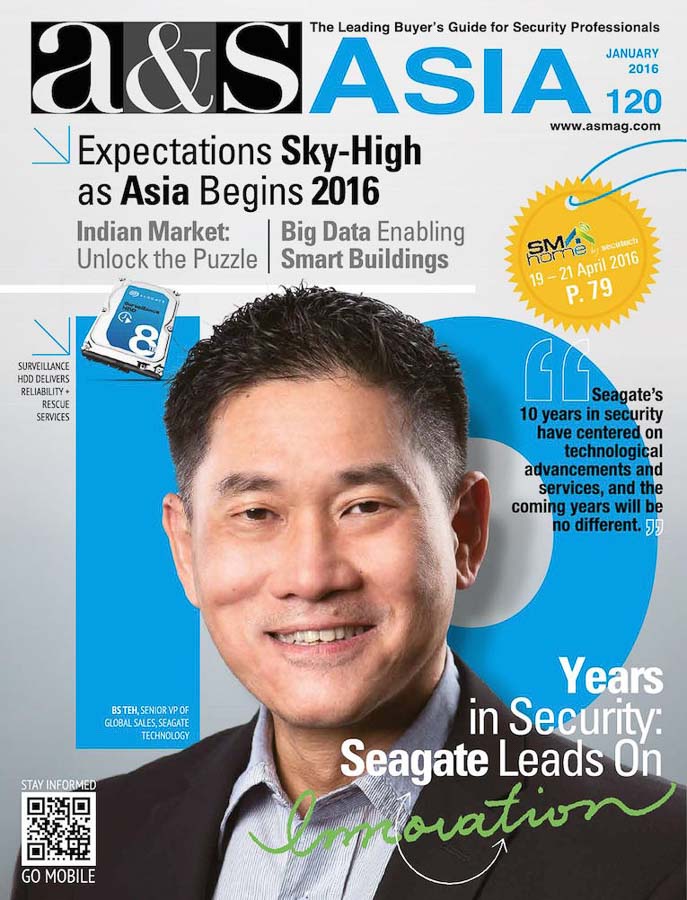
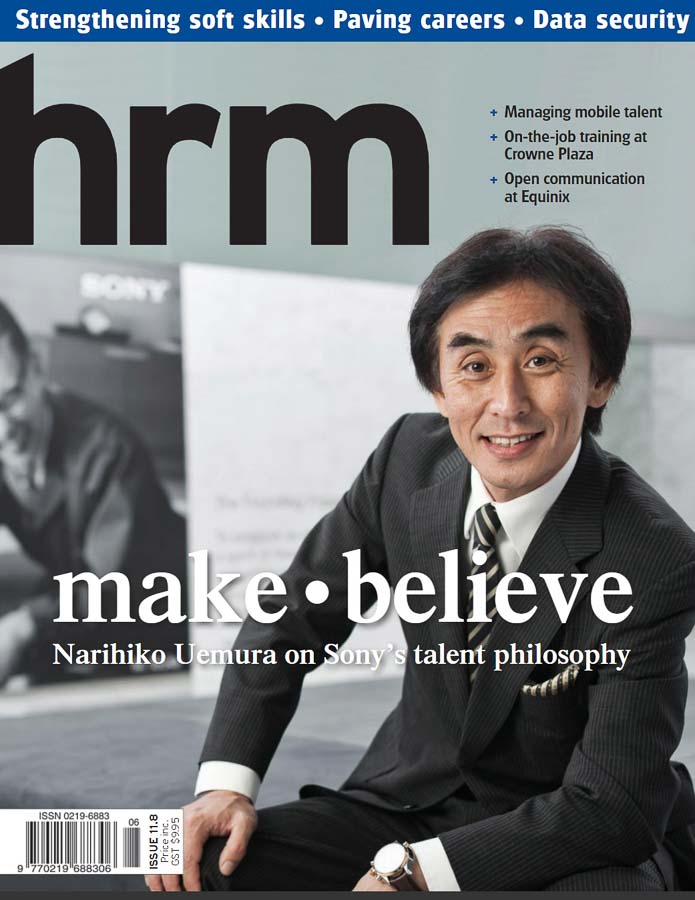
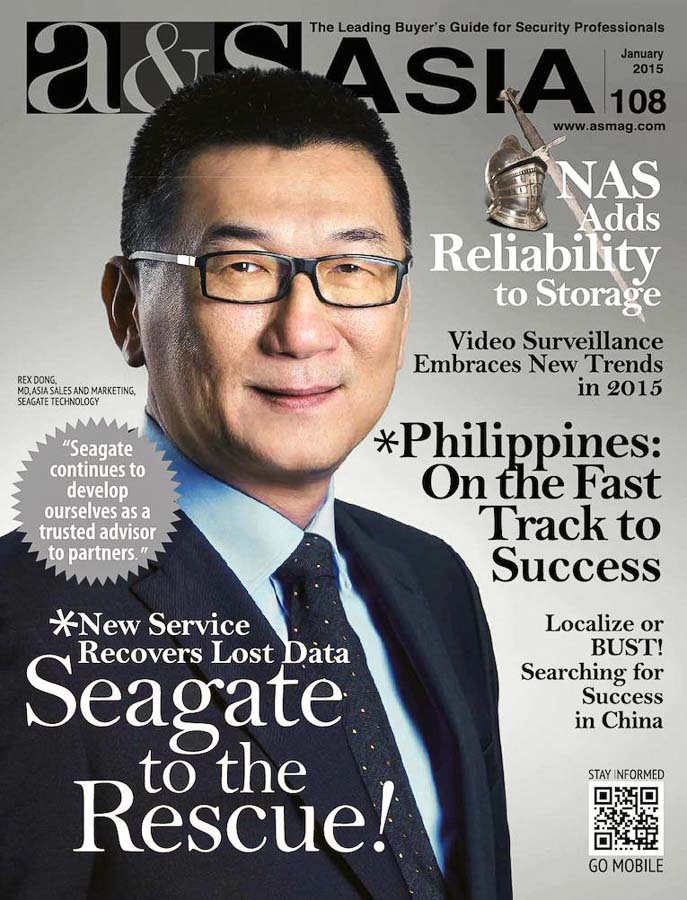
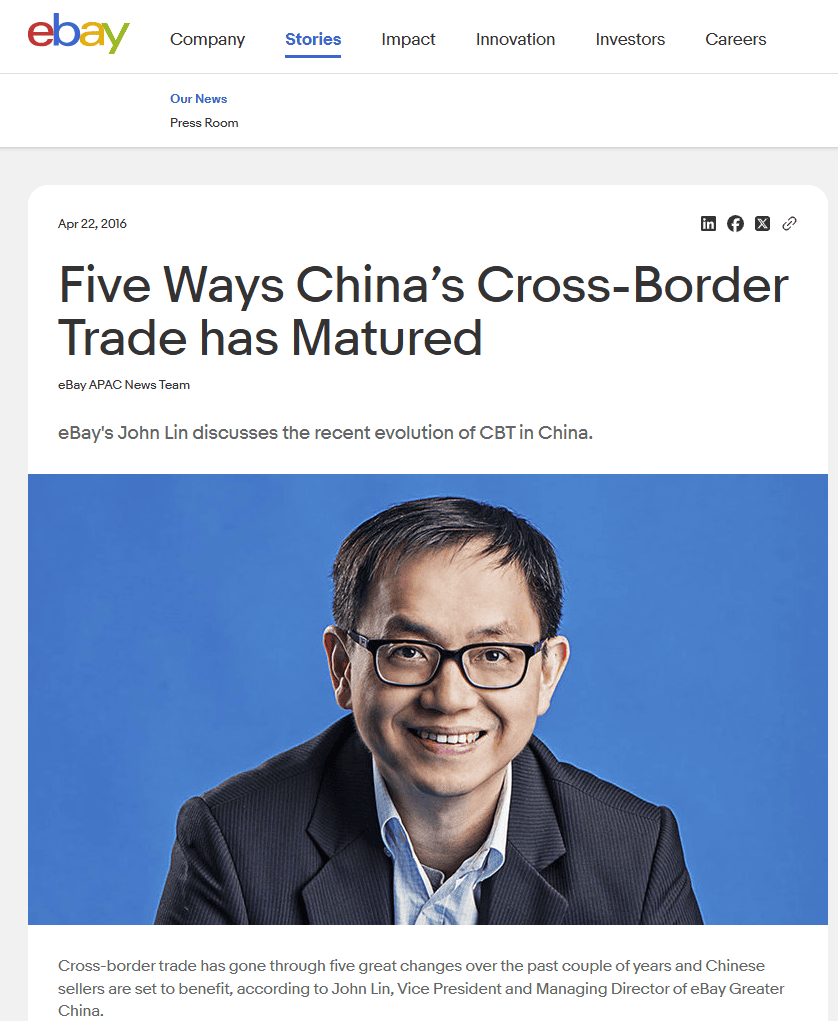
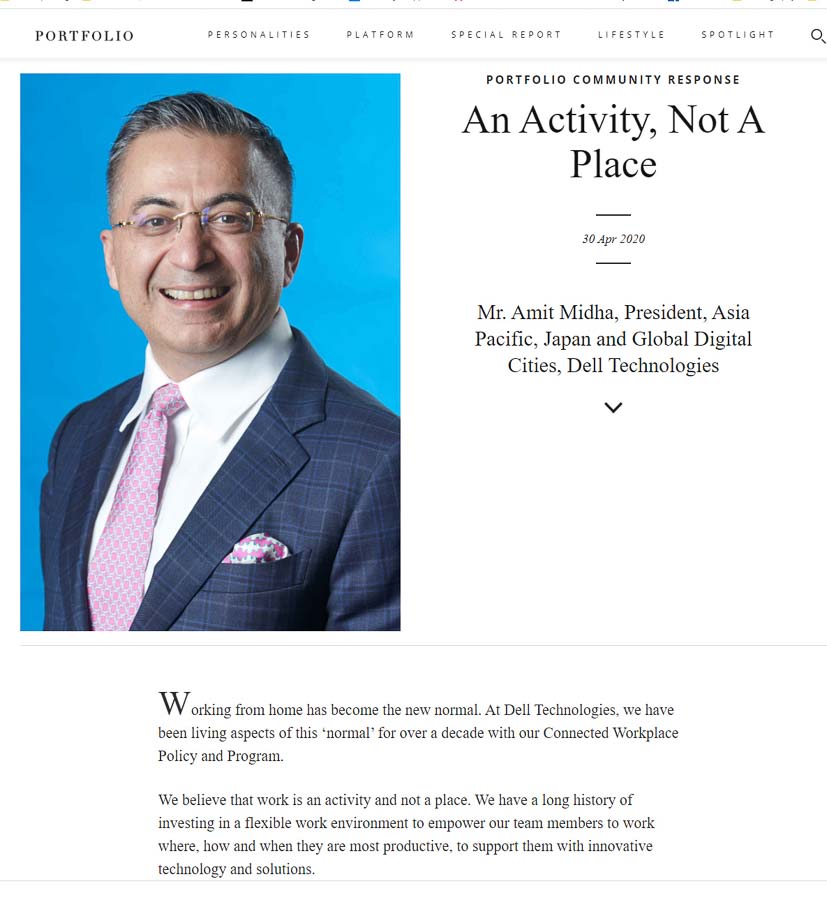
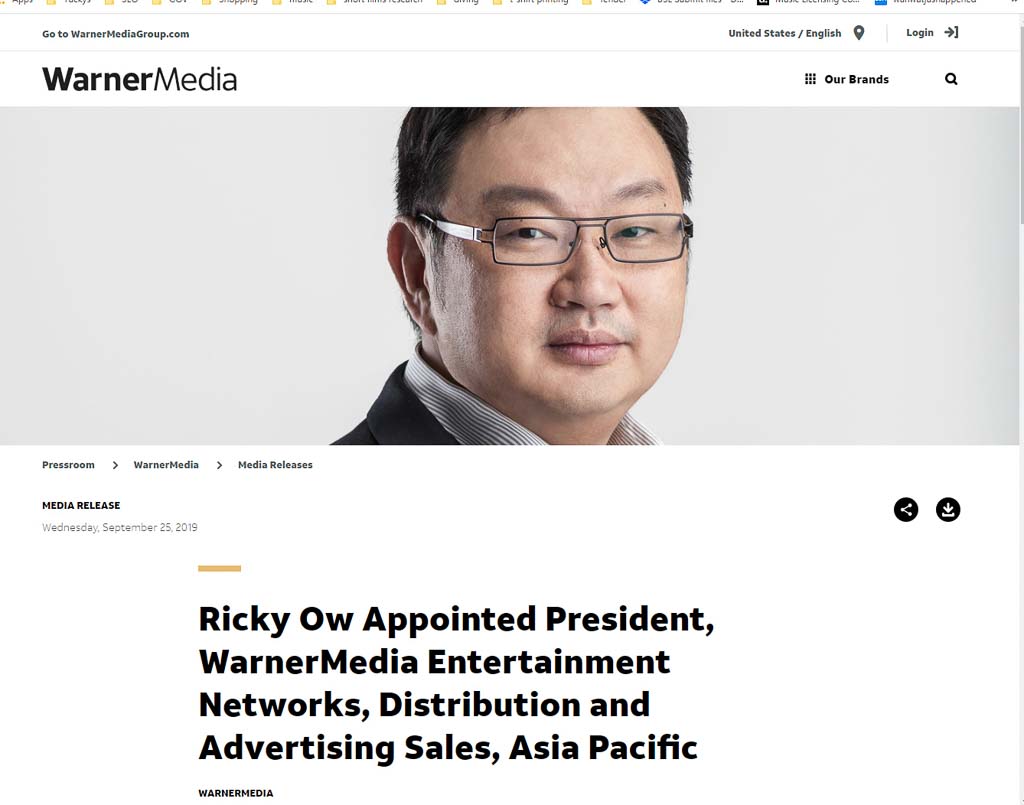
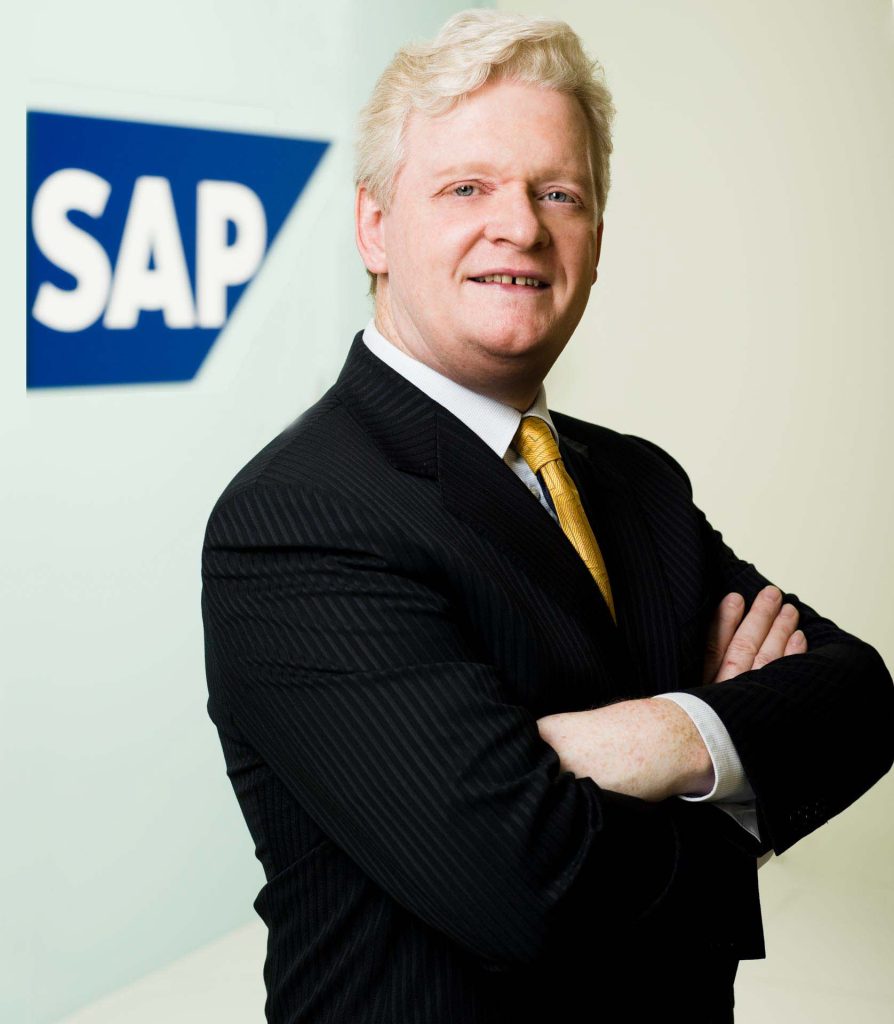
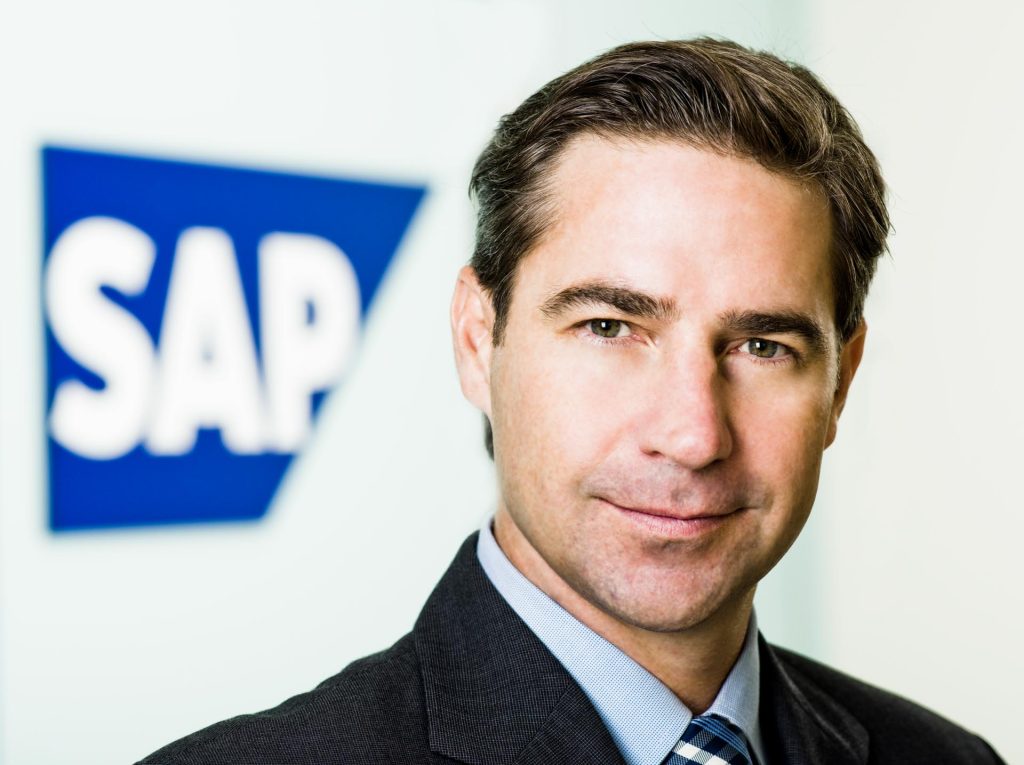
In practice the requirement is identical wherever a person carries public accountability for a business. Think of a regional president in a global annual report, or a managing director fronting a market entry. Consider a country head quoted in the trade press, or a senior partner on a pitch document. They all need the same thing. The portrait must read as authoritative, stay current for years, and sit consistently beside the rest of the leadership group. Our portraits for Dell Technologies, Warner Bros. Discovery, SAP, Sony, eBay, Seagate and PayPal answered exactly that brief.

It is often the only photograph of an organisation that a stakeholder studies closely, and they study it at the moment they are forming a judgement.
It does three jobs. First, it shows that a real, identifiable individual stands behind the decisions of the organisation. Second, it signals the standard the organisation holds itself to. Finally, it gives every channel that covers the company a controlled image to use instead of an uncontrolled one.
Annual reports and shareholder letters. Investor relations material and results presentations. The leadership page of the corporate website. Press releases and media coverage. Conference and keynote programmes. Professional networks such as LinkedIn. Award submissions and internal communications.
Because the same image travels across all of these, we deliver it in more than one form. Specifically, you get a tightly cropped version for profile use. You also get a wider version with room for text overlay, plus a print-resolution version for publication.
A regional president in a global annual report, a managing director fronting a market entry, a country head quoted in the trade press, a vice-president on a conference panel and a senior partner on a pitch document all need the same thing.
Dress as you would to meet your board or your largest investor, in solid colours with clean lines and a jacket that genuinely fits. Therefore bring two or three options, so you can decide against what the camera actually shows.
Fit matters more than label — a shoulder seam sitting in the wrong place is visible in every frame and cannot be corrected afterwards. Finance, law and regulated industries still expect a suit or jacket. In technology and consumer businesses, however, a considered business-casual reads as more current. What the clothing must never do is date the picture, which is why we steer away from anything of the moment.
Every two to three years, and immediately after any change of role, company or noticeable change in appearance.
The failure mode is well known: a portrait quietly ages until the person who arrives at the meeting no longer matches the person on the website. At executive level that discrepancy is not merely cosmetic — it reads as inattention. Because a good portrait stays in service for years, we photograph it to survive them.

Plan for at least 45 minutes of your time.
Not 45 minutes of shooting. A base lighting setup is standing before you walk in, so nothing is built from scratch while you wait. However, it does not stay as it is. A meaningful part of that time goes into shaping the light to your face, and that is deliberate.
A portrait is not done to you. Two people make it, and it works only when both are willing. A sitter who has decided to give the camera two minutes and a fixed expression will get exactly that back, whoever is holding it. Connection comes from trust and confidence running both ways. You have to believe the photographer knows what they are doing, and the photographer has to understand how you want to be seen. That is what the time and the space are for, so you can set your mind to the shoot and work with us rather than wait for it to be over.
At a wedding, five or ten minutes is genuinely enough. The emotion is already running, the day supplies it, and the photographer catches what is there. A boardroom portrait has nothing running. You arrive from one meeting with another waiting, and there is no ambient feeling to collect. Therefore the register has to be built in the room, from nothing, with you.
We talk. You settle, we work out how you hold yourself, and we find how you want to be seen. This is where the connection is built, and the connection is what the camera records.
No two faces take light the same way. The depth of the eye sockets, the bridge of the nose, the line of the jaw, whether the face is broad or narrow, how it sits off-symmetry. Each one changes what a light does when it lands. The setup that makes one person look considered will flatten the next and age the one after that.
So the light moves. A head-height adjustment of a hand’s width, a source brought thirty centimetres closer or turned a few degrees away, a fill lifted or killed entirely. Each changes how the bone reads and where the eye goes. That is the part that takes judgement, because it depends entirely on who is sitting there.
The alternative is one setup for everybody who comes through the door. It is faster, and it is why those portraits all look the same, and why none of them quite look like the person.
Angle, posture, the set of the jaw and shoulders, and an expression that belongs to you rather than one borrowed for the camera. We adjust attire, refine the light for your face, and review frames together on screen while you are still in the room.

Composure that reads as authority without coldness. The sitter looks alert, settled and directly engaged with the viewer.
Someone a reader would want to work for, invest in or partner with. It holds up at thumbnail size on a phone and at full page in print, and it still looks like the person when they walk into the room. Whether the sitter is a chief executive, a managing director, a board director or a vice-president, the standard does not change.
Most corporate portraits show someone smiling. Look closer at the ones that hold you, and the difference is not the smile at all.
Look at the posture, whether the weight is settled or the shoulders are braced for it to be over. Look at the angle of the head, because a few degrees is the whole difference between command and deference, and it is never accidental. Look at the eyes, which is where it is hardest to fake, and see whether the person is present and engaged with you or waiting politely for the shutter.
Then look at the expression itself. Not a laugh, but the small controlled thing that stops well short of one. The mouth barely moves. Almost all of the change happens around the eyes.
Look at how the light falls on the face, and whether it was shaped for that bone structure or the person was fed into a setup that was already standing there. Once you notice it, you can see it in every portrait you look at.
That register is difficult to reach and impossible to rush. It comes from experience on my side and time on yours, and it is why a viewer feels connected to the person in the frame instead of simply looking at a picture of them. Authority and openness in the same photograph: the person in charge, and a person you could talk to.
Ten minutes gets a smile, because a smile can be triggered from outside. Authority has to come from you, and it arrives only once you have stopped performing.
Because you will have seen it. Because of that, we photograph tethered, so every frame appears on a large screen a second after we take it. You then choose the selects in the room, while you are still there.
This is the single change that most reduces the risk of an executive sitting. You are not asked to trust a stranger with your public image and wait a week for proofs. As a result, you adjust posture, jaw and shoulders against what is actually on screen, and approval takes minutes. Nobody discovers a problem after everyone has gone home.

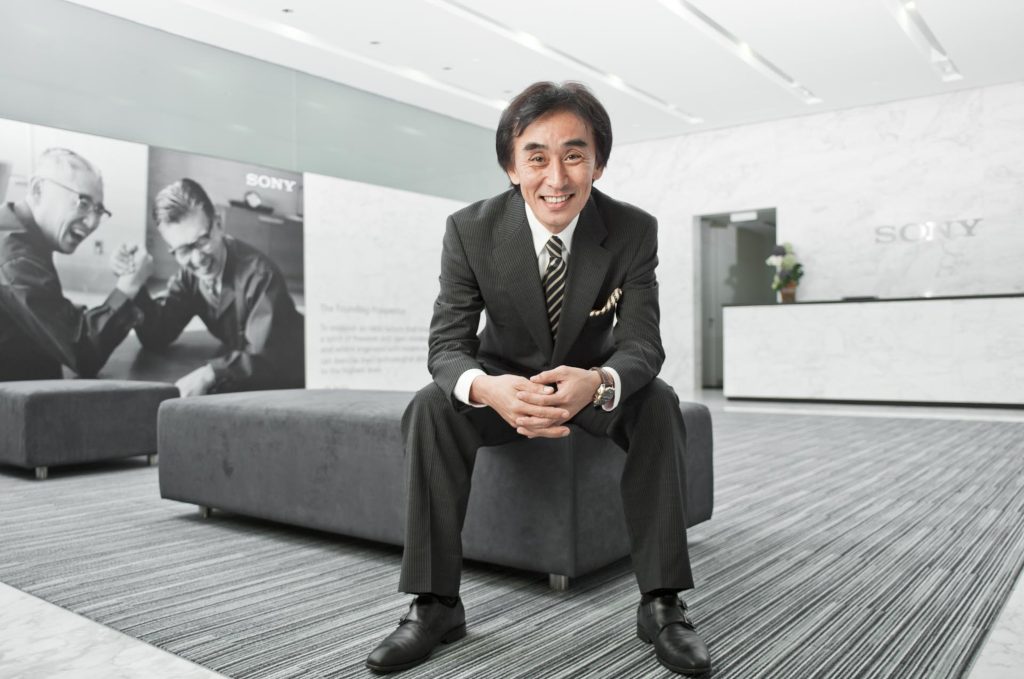
A plain, controlled background suits annual reports, regulatory documents and any page where several directors must sit together consistently. Your own premises suit founder profiles, press features and keynote programmes, where the story is what the organisation actually does.
Our recommendation for most executives is to take both from one sitting — the controlled frame for formal use, the environmental frame for editorial use. It is the same half hour, and it prevents a second shoot six weeks later when communications asks for something with more context.

Higher than a staff headshot, and in a specific direction. Published portraits are reproduced large — a full page in an annual report, a broadsheet feature, a two-metre conference backdrop — so skin, hair, collar, tie, jacket shoulders and background gradients are all finished to a level that survives print.
What we do not do is reshape faces or subtract years. A director whose portrait no longer resembles them across the boardroom table has a credibility problem, not a good photograph. The standard is polished, current and unmistakably you.

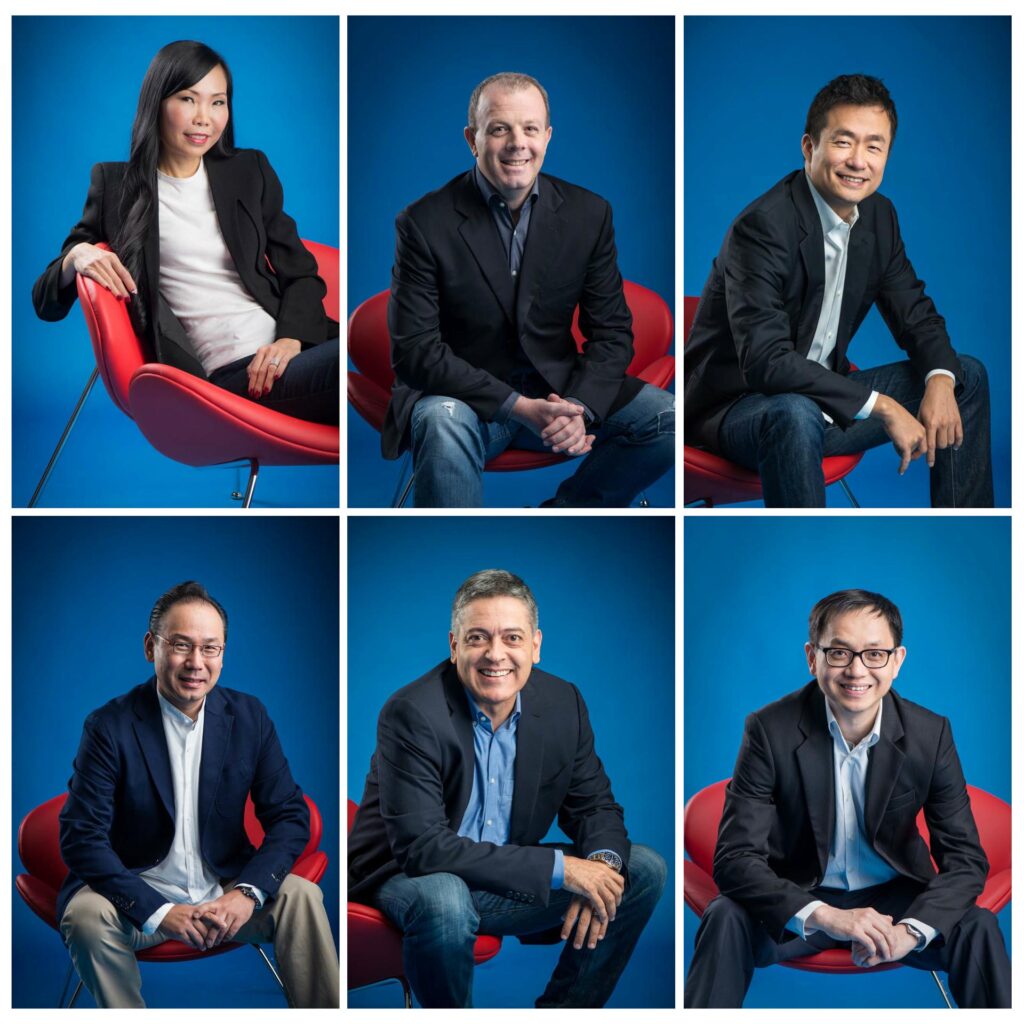
A board portrait is the set of images representing a company’s directors — individual portraits made to one shared specification, and often a group photograph of the full board. In practice, companies use it in the annual report, in governance and investor-relations material, and in listing and regulatory documents. It also appears on the board page of the website, and in announcements when a director joins or retires.
The defining requirement is internal consistency. In reality, directors sit in different places, sometimes months apart, and one of them almost always cannot attend on the day. The portraits must still sit together on one page without any of them looking like the exception.
By fixing the specification first and treating attendance as a variable rather than a prerequisite. Lighting, background, camera height, lens and framing are locked before the first director sits.
Any director who cannot attend — travelling, based overseas, appointed later — sits afterwards to that identical setup, so their portrait drops into the same page without a visible seam. Examples of finished board and leadership group photography are in our past projects. Where a group photograph of the whole board is also required, we plan it around the shortest available window, because the constraint is never photographic. It is how long you can hold nine senior people in one room.

Yes, and it is the judgement most often missed. A founder is selling conviction, so the portrait can carry more personality and more environment. A listed-company chief executive represents a governed institution to shareholders and regulators, so the portrait must read as steady, current and unmistakably corporate.
Same chair, same suit, same photographer — two different photographs. Deciding which one you want is the first conversation we have, before we set any lighting.
By writing the specification down and shooting to it in every market. Lighting positions and power, background, camera height, focal length, subject distance, framing and the finishing recipe we record as a repeatable setup, and post-production is applied from one profile rather than to each market’s taste.
Tuckys Photography has run this pattern for regional leadership groups including Dell Technologies APJ. In short, the test is simple. Place the finished portraits side by side on the leadership page, and no one should be able to tell which city each one came from.

Quietly, and to their schedule rather than ours. We arrive early and build everything before the principal enters the room, we work through whoever manages the diary, we keep the crew small, we photograph nothing outside the brief, and we release nothing without written clearance.
Tuckys Photography has provided CEO portrait photography Singapore to ministers, listed-company boards and senior executives across the region since 2002, and has worked inside secure and restricted environments including government sites and industrial facilities. Discretion here is a working method, not a line in a brochure.
Four things: comparable work with senior people, the ability to direct rather than merely photograph, a workflow that lets you see and approve frames in the room, and retouching finished to publication standard without altering how you actually look.
Portfolio first. A CEO headshot photographer should be able to show portraits of people at your level, not scaled-up staff headshots. Direction matters more than equipment, because a chief executive arriving between meetings will not relax on request, and the difference between a guarded expression and a credible one is the photographer’s doing. Ask how selection works: if proofs arrive a week later by email, you have lost your say. And ask what happens if a director is travelling, because a director portrait photographer working properly can match a portrait made months apart on the same specification.
Tuckys Photography has worked as an executive and director portrait photographer in Singapore since 2002, for leadership at Dell Technologies, Warner Bros. Discovery, SAP, Sony, eBay, Seagate, PayPal and MUFG.
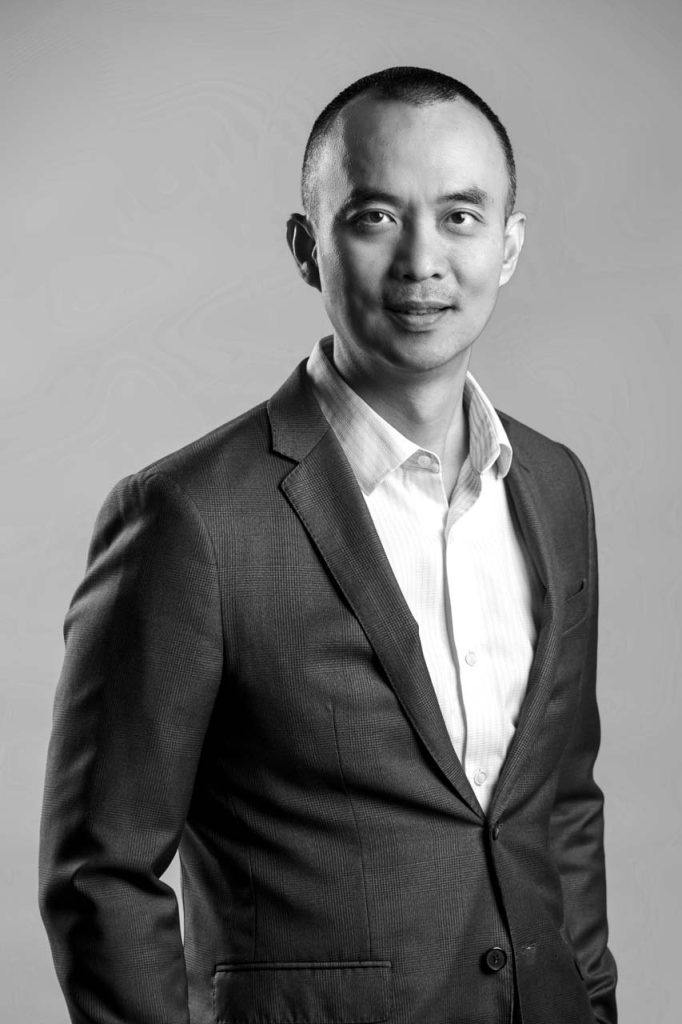
Colour is the default for websites, investor material and anything that must match the rest of your brand. Black and white is the stronger choice for editorial features, annual-report opening pages and any portrait intended to carry weight rather than information.
Black and white removes the two things that date a photograph fastest &mdash. The colour of the tie and the colour of the wall &mdash. And pushes attention onto expression and structure. It is why monochrome leadership portraits still read as serious a decade later. The practical answer for most executives is to have both from one sitting, finished from the same frame, so communications can reach for whichever the page calls for. We produced the Dell Technologies APJ leadership series this way.
More of this work appears in our Singapore corporate photography projects. Executive and board portraiture for multinational and Fortune 500 leadership in Singapore and across APAC — presidents, managing directors, chief executives and country heads.


We have photographed Singapore business since 2002, and executive portraiture is the work we are known for. We photograph leadership for Dell Technologies, SAP, Sony, eBay, Warner Bros. Discovery, MUFG, Pick Network, Seagate and Singapore government ministries. In 2022 we were named Best Visual Photographer & Videographer at the Singapore Business Award by APAC Insider.
What that means in practice: your time is protected, because the room is built before you enter it. Your judgement is respected, because you see every frame as it is made and approve the selection yourself. And your standing is protected, because we finish portraits to publication standard without turning you into someone your board would not recognise.
For staff headshots, team and department photography and general corporate portrait work, see our corporate photography page.
Tell us who we are photographing, what the images are for, and when the deadline falls. We will come back with a plan.
Tell us how many people and by when. Most CEO portrait photography Singapore bookings are confirmed with availability, a shoot outline and a firm quotation on the same working day, and a full board of ten is a full day’s work.
Your leadership page is often the first thing a client, candidate or journalist looks at. It should not be a collage of photographs taken in different years by different people.
Tell us how many people and by when. You will have availability, a shoot outline and a firm quotation the same working day.
Or write to us directly at shoot@tuckys.com.