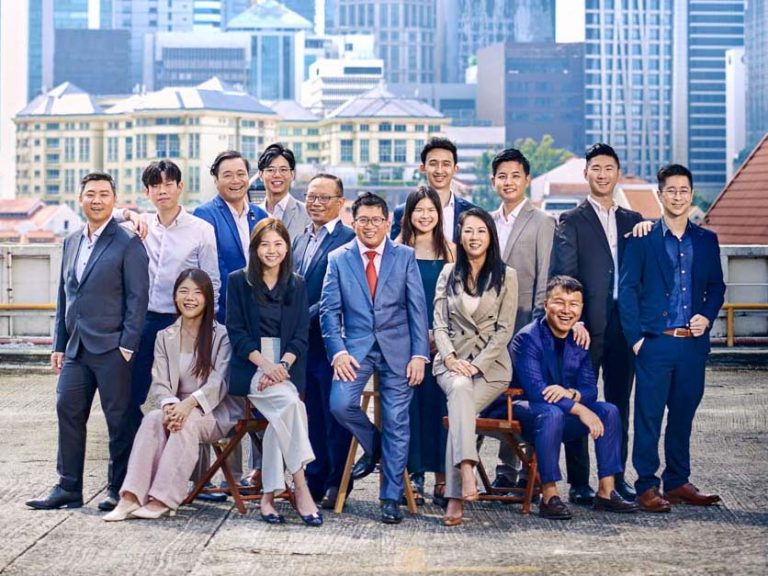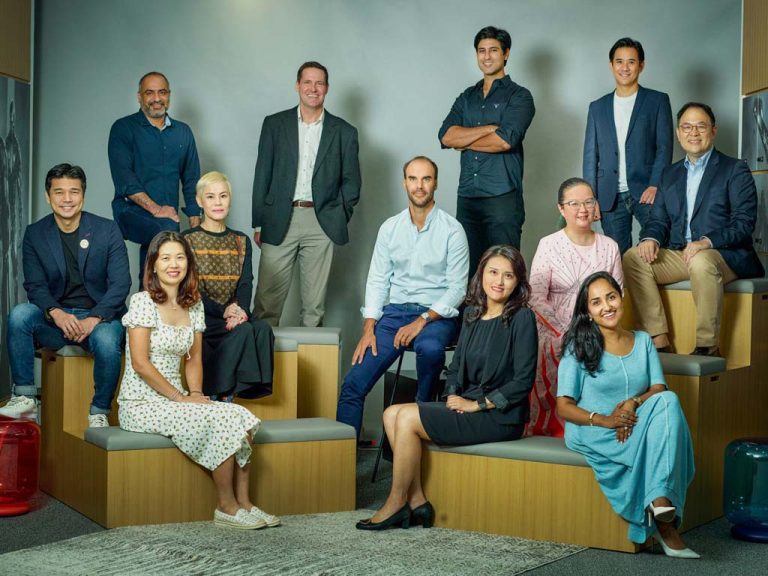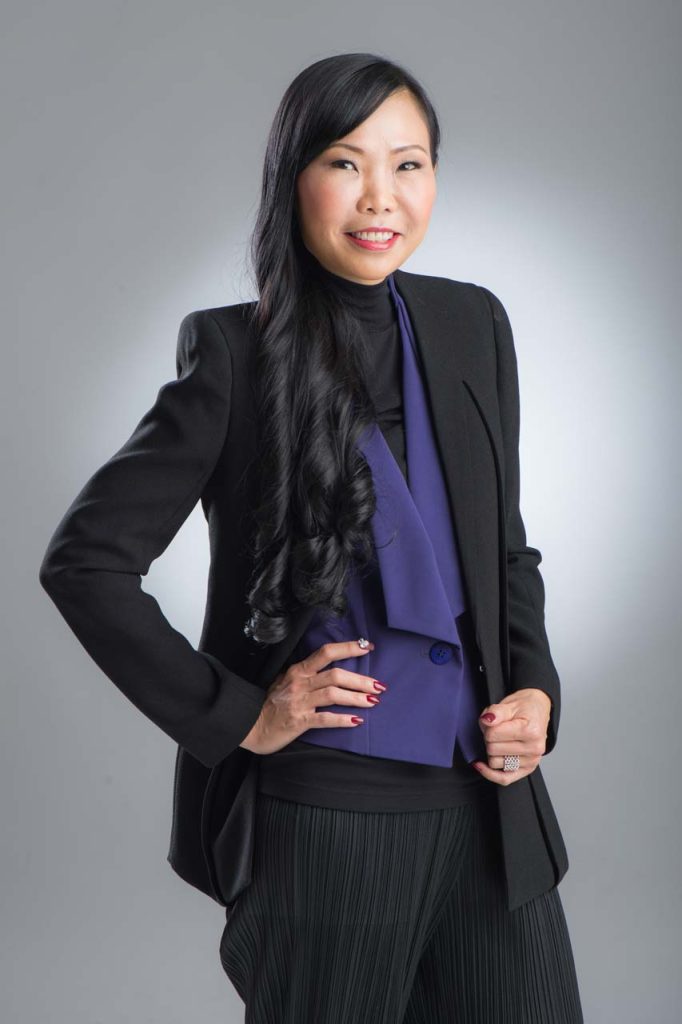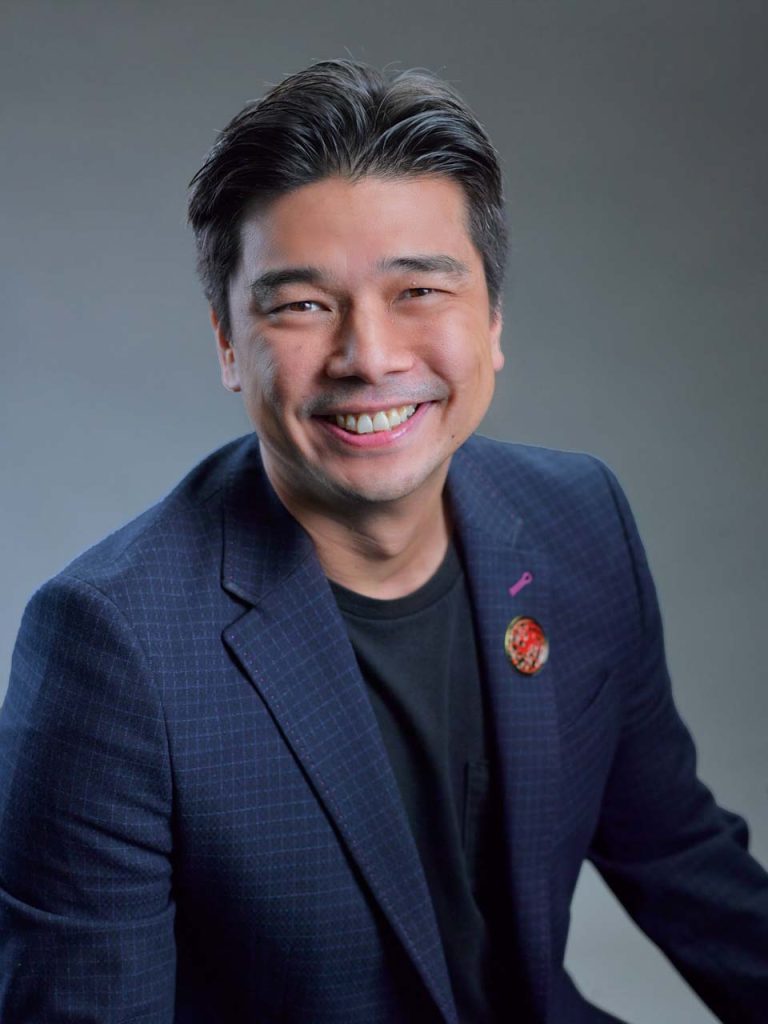
A corporate portrait has one job, which is to make the reader believe in the person in it. Tuckys Photography makes those portraits for CEOs, presidents, directors and senior leadership teams in Singapore, alongside leadership headshots and consistent team photography. Sessions run at your office or in our studio, so the working day keeps moving, and the files arrive ready for websites, annual reports, LinkedIn and media use.
Trusted by organisations including Rolls-Royce, Dell Technologies, Sony, SAP, PayPal, Warner Bros. Discovery, eBay and Seagate.
Corporate portrait photography presents the people in an organisation for business use: leadership pages, LinkedIn profiles, annual reports, media releases, conference programmes and internal directories. Tuckys Photography photographs individual executive portraits, consistent corporate headshots, workplace portraits and leadership teams for organisations in Singapore.
Chief executives, presidents and boards have their own page. It covers how a CEO portrait differs from a staff headshot, where it appears, and how we photograph a full board for an annual report. See Executive, CEO & board portraits.
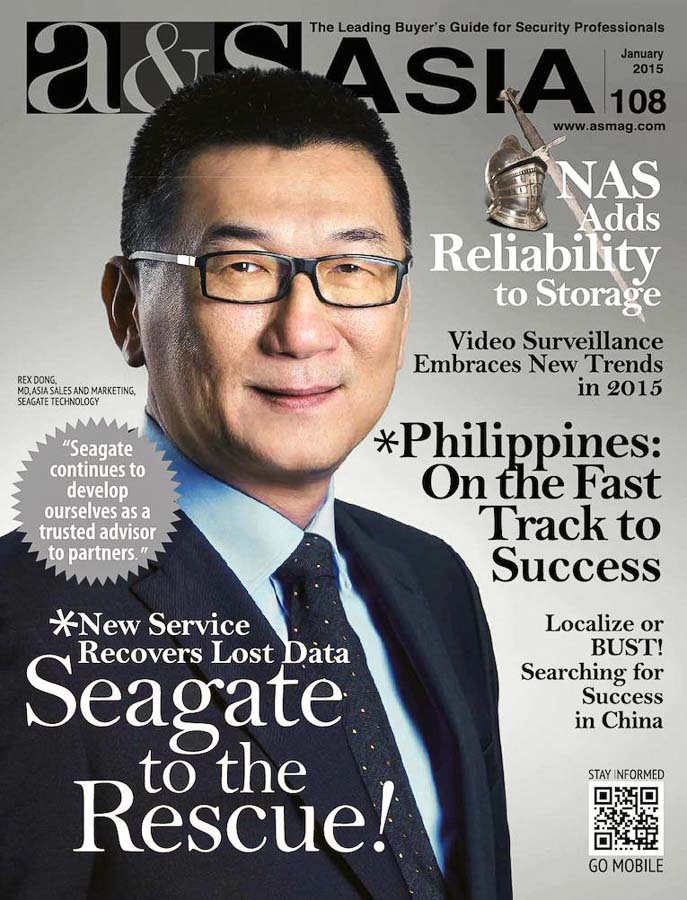
Tuckys Photography is a Singapore corporate photography studio that has produced corporate portraits, executive headshots and team photography since 2002. Specifically, we photograph individual headshots, leadership portraits and whole departments to a single consistent standard, either at our studio or on location at your office. Our work appears in the communications of organisations including Rolls-Royce, Dell Technologies, Sony, SAP, PayPal, Warner Bros. Discovery, eBay, Seagate, Hitachi, MUFG and Singapore government agencies. In 2022 we were named Best Visual Photographer & Videographer at the Singapore Business Award by APAC Insider.
Individual portraits for CEOs, presidents, managing directors, board members and senior leaders, made for leadership pages, annual reports, press, speaking engagements and corporate communications.
Consistent, repeatable headshots for teams, staff directories and LinkedIn. Because lighting, crop, camera position and background stay fixed, every person belongs to the same visual system.
People decide about a face long before they read a biography. In a Princeton study, viewers who saw a face for a tenth of a second rated it for competence and trustworthiness — and their verdict matched that of people who looked for as long as they liked. More time did not change the judgement. It only made them more certain of it.
Two things are judged at once, because a reader wants to know whether you look trustworthy and whether you look like you are in charge. Most corporate headshots manage only the first. A friendly, evenly lit, smiling photograph makes a person look pleasant and stops there. For a department head that is enough, but it does not hold at board level. For someone whose picture sits in an annual report, beside a results announcement or above a conference biography, it is not.
There is evidence for the difference. When researchers machine-analysed the official photographs of Fortune Global 500 chief executives in 2024, smile intensity tracked company profit — but only for confident, controlled smiles, not warm sociable ones. The expression that signals standing is not the expression that signals friendliness.
We do ask for a smile — just not the wide one. A broad grin flattens seniority into friendliness: it reads as someone trying to be liked rather than someone being trusted, and on a chairman it is the fastest way to look junior. Hold it a second too long and it stiffens, which is why so many staff photographs look strained.
So we do not ask anyone to hold anything. We talk instead — about the business, the trip, the thing on the desk — while the camera stays ready. The face answers before the person does: the eyes engage first, the mouth follows a little. That half-second is what we photograph, before it resets into a pose.
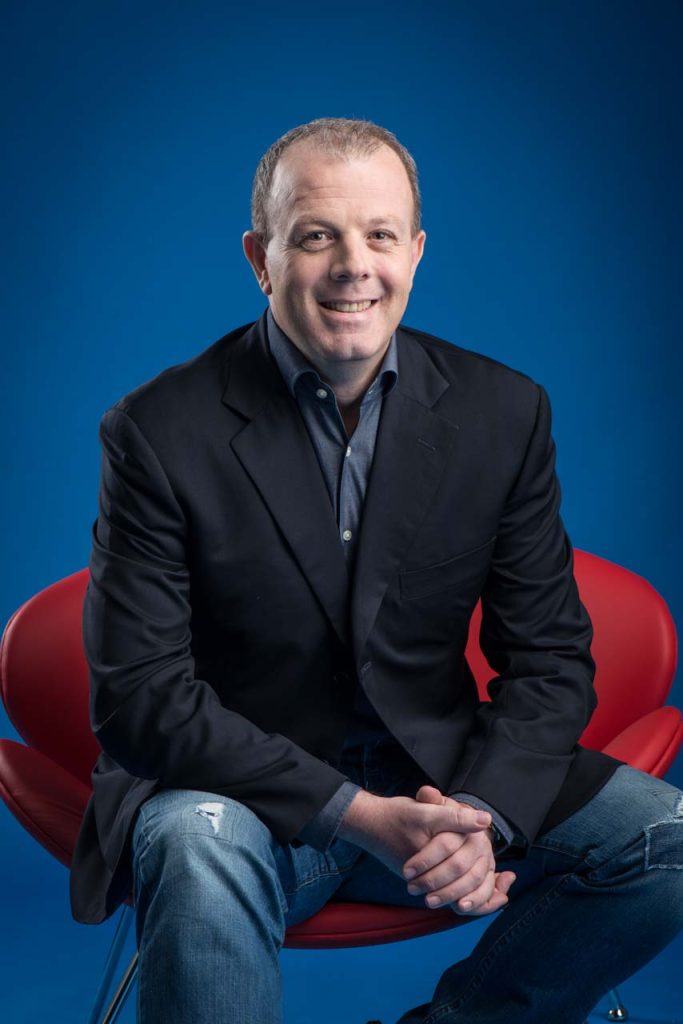
Getting there is direction, not luck — shoulders turned off-square, chin forward and a fraction down, weight moved, and then a reason to react. What you see on this page is the expression people arrive at when someone they respect walks into the room. It cannot be requested. It can be caused.
Almost nobody is naturally good in front of a camera, and senior people are often the worst, — they are used to controlling a room, and a lens takes that control away. All of this is our job, not yours.
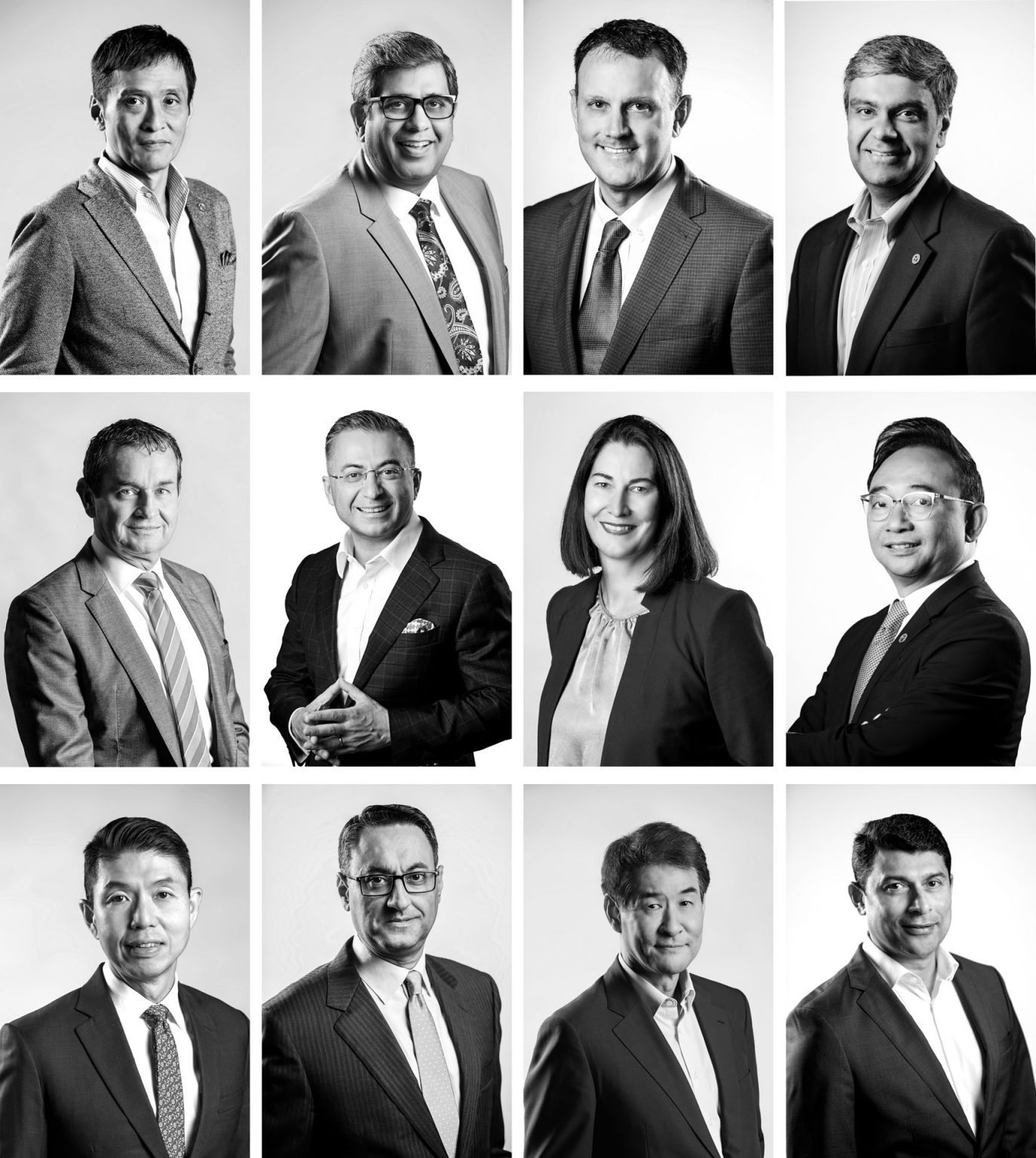
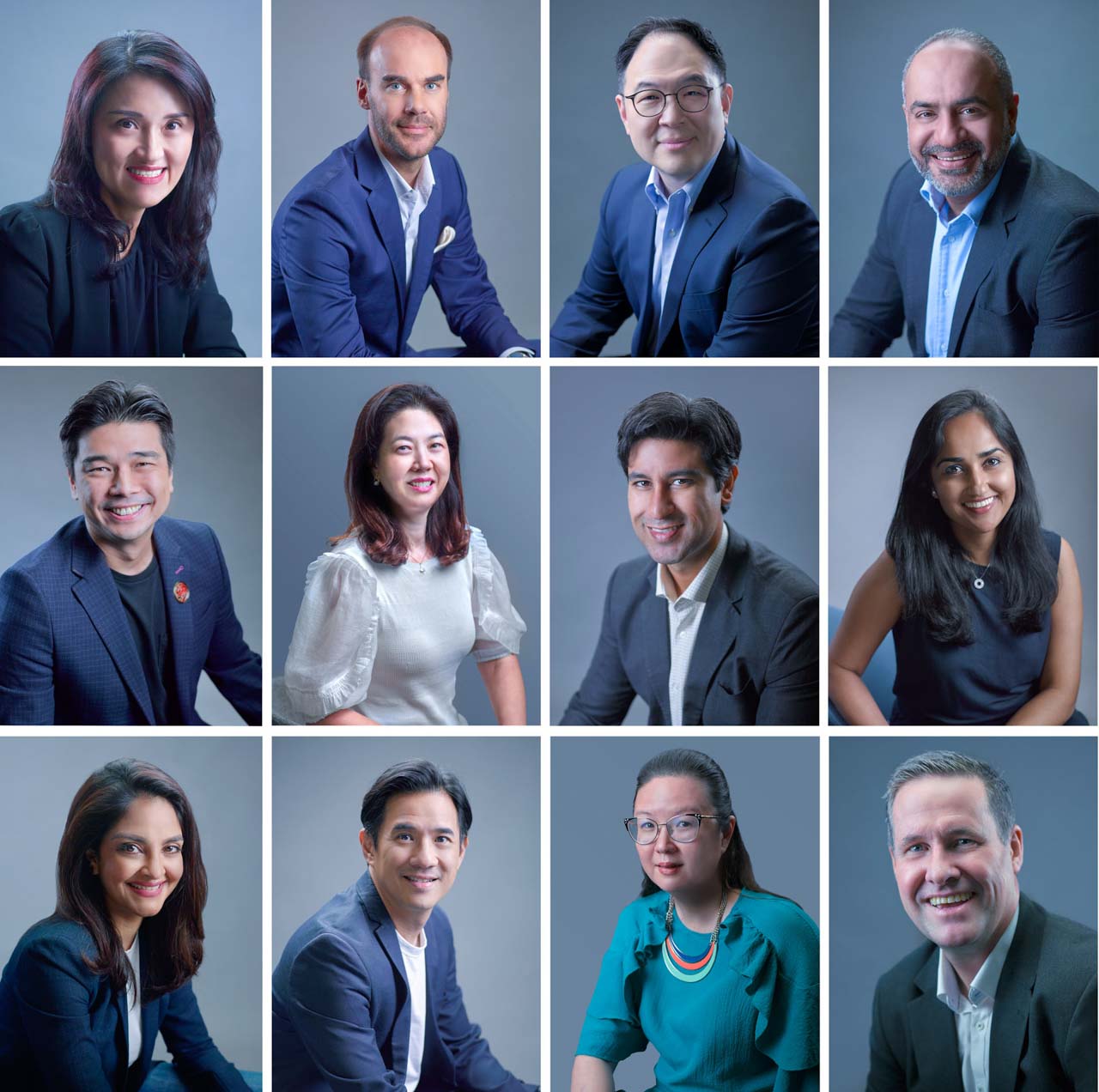
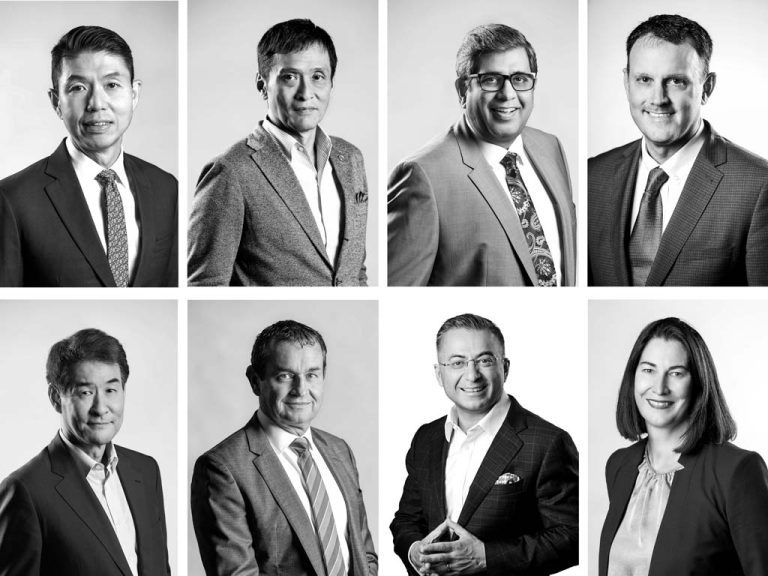
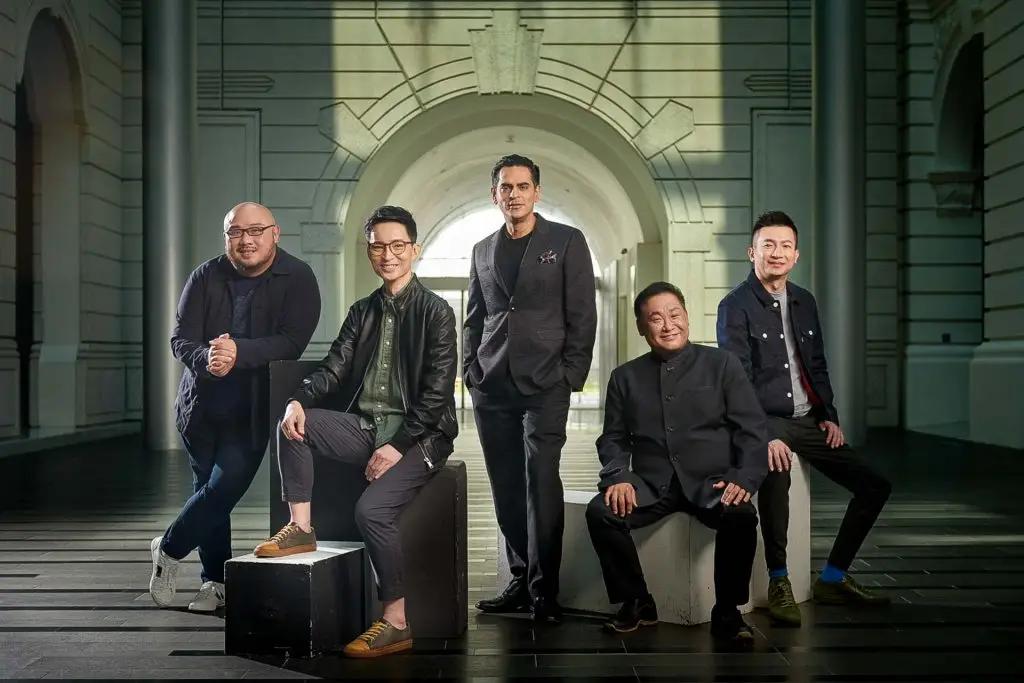
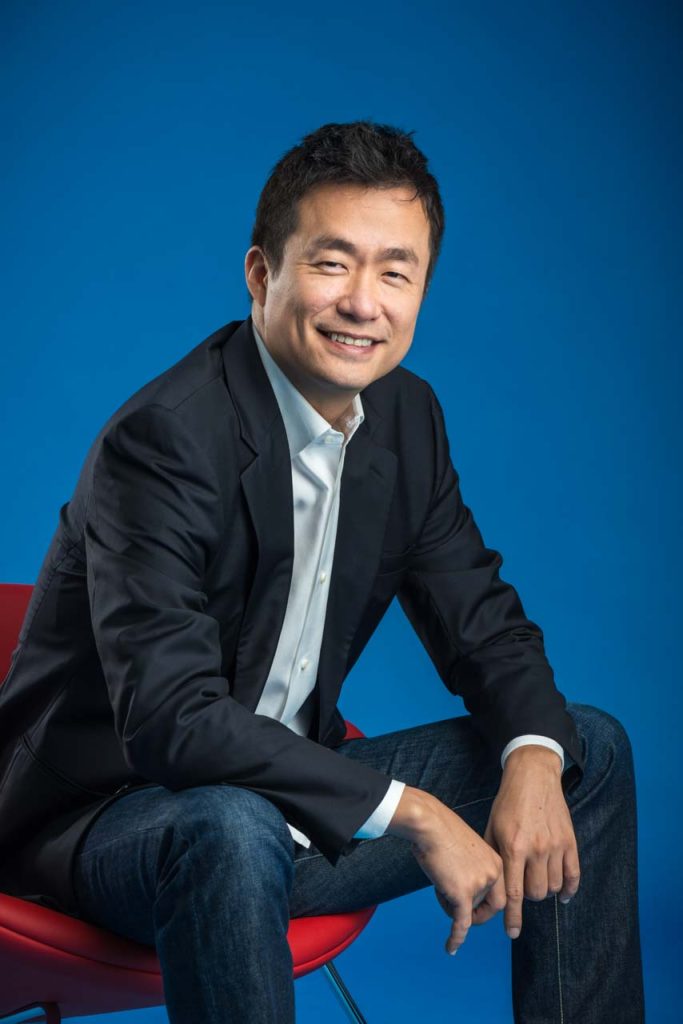
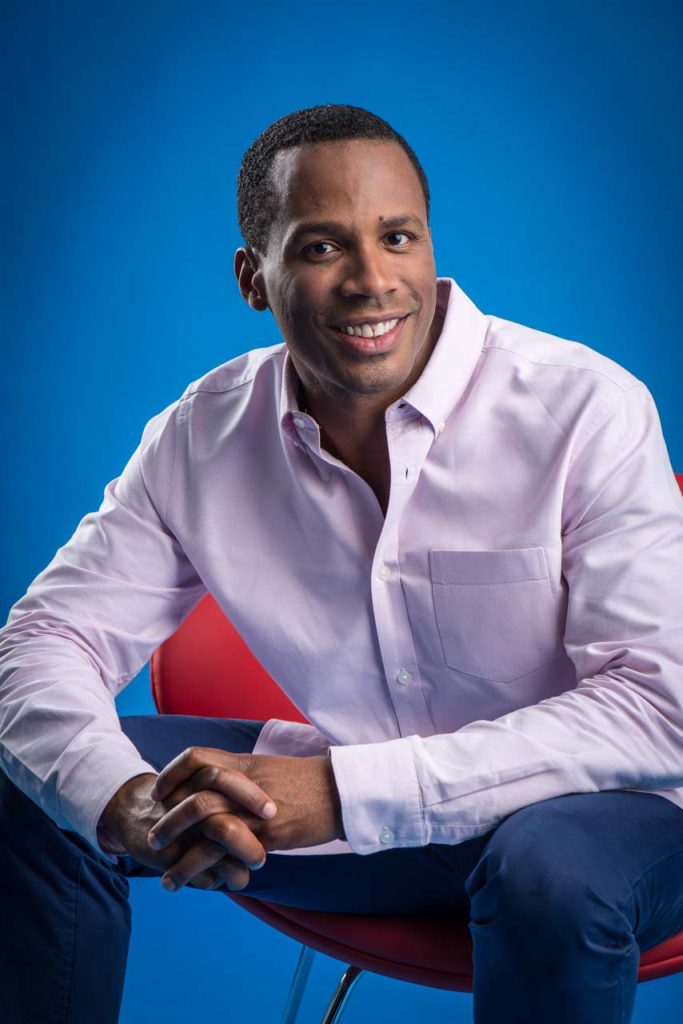
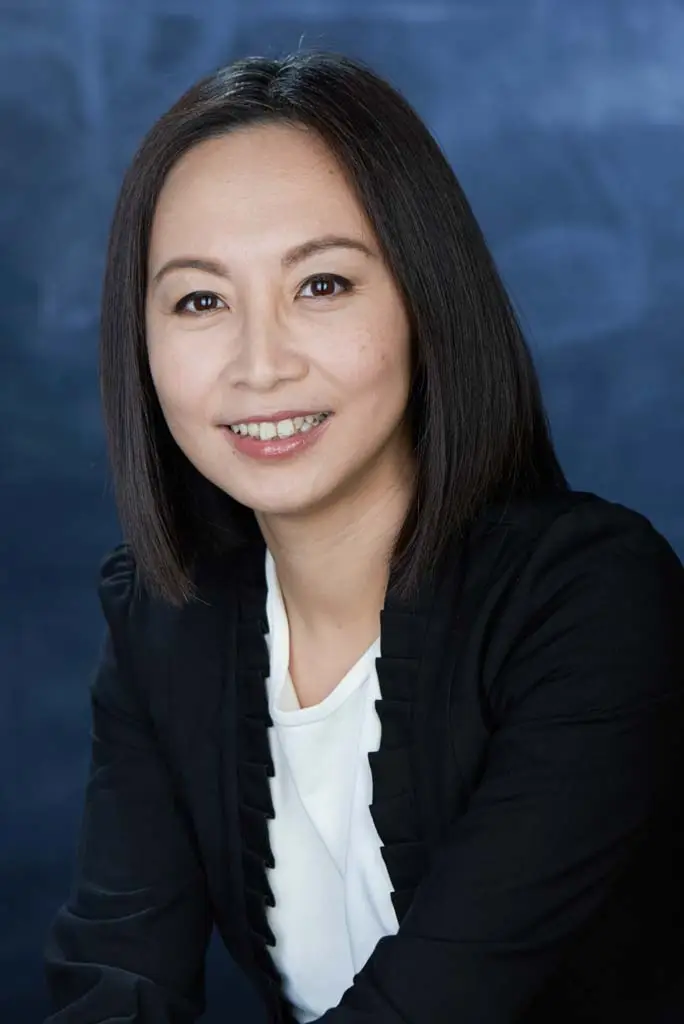
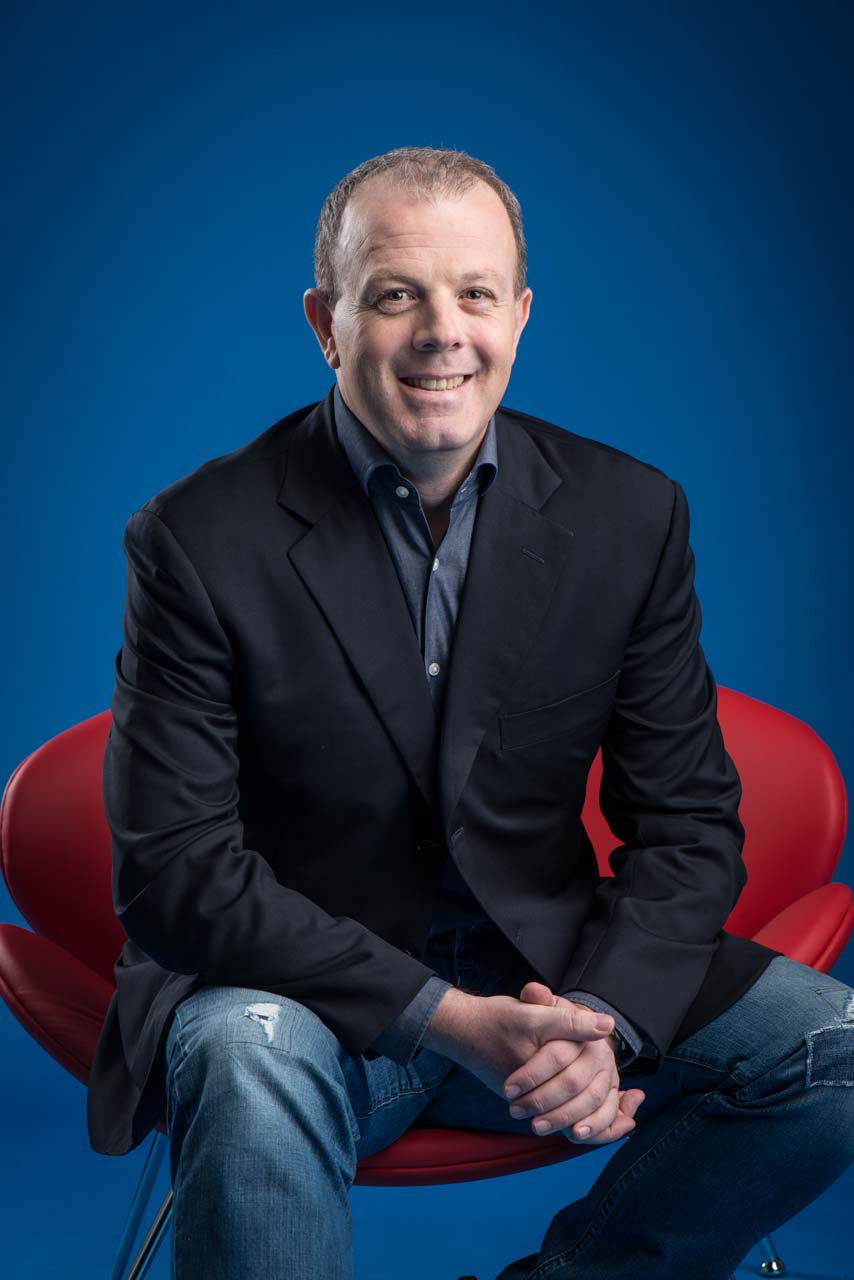
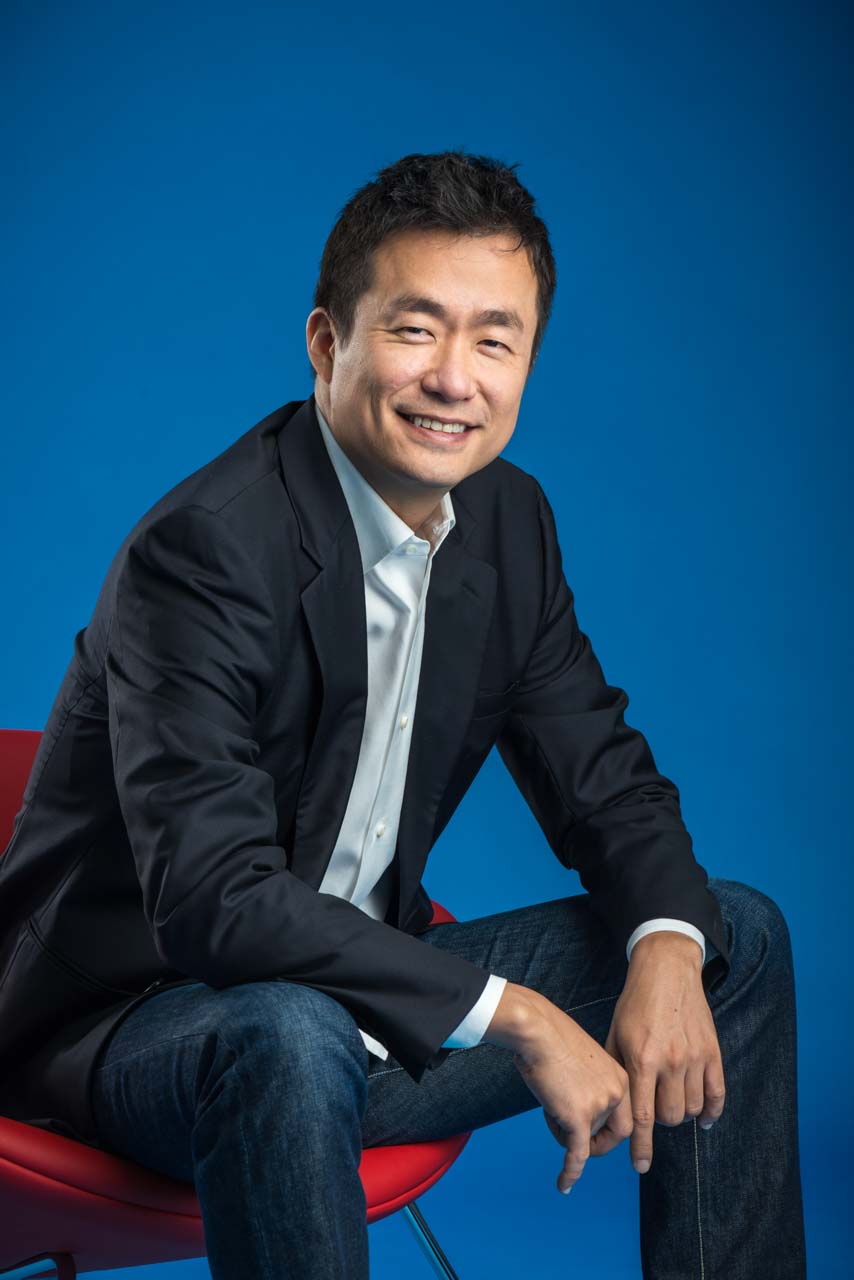
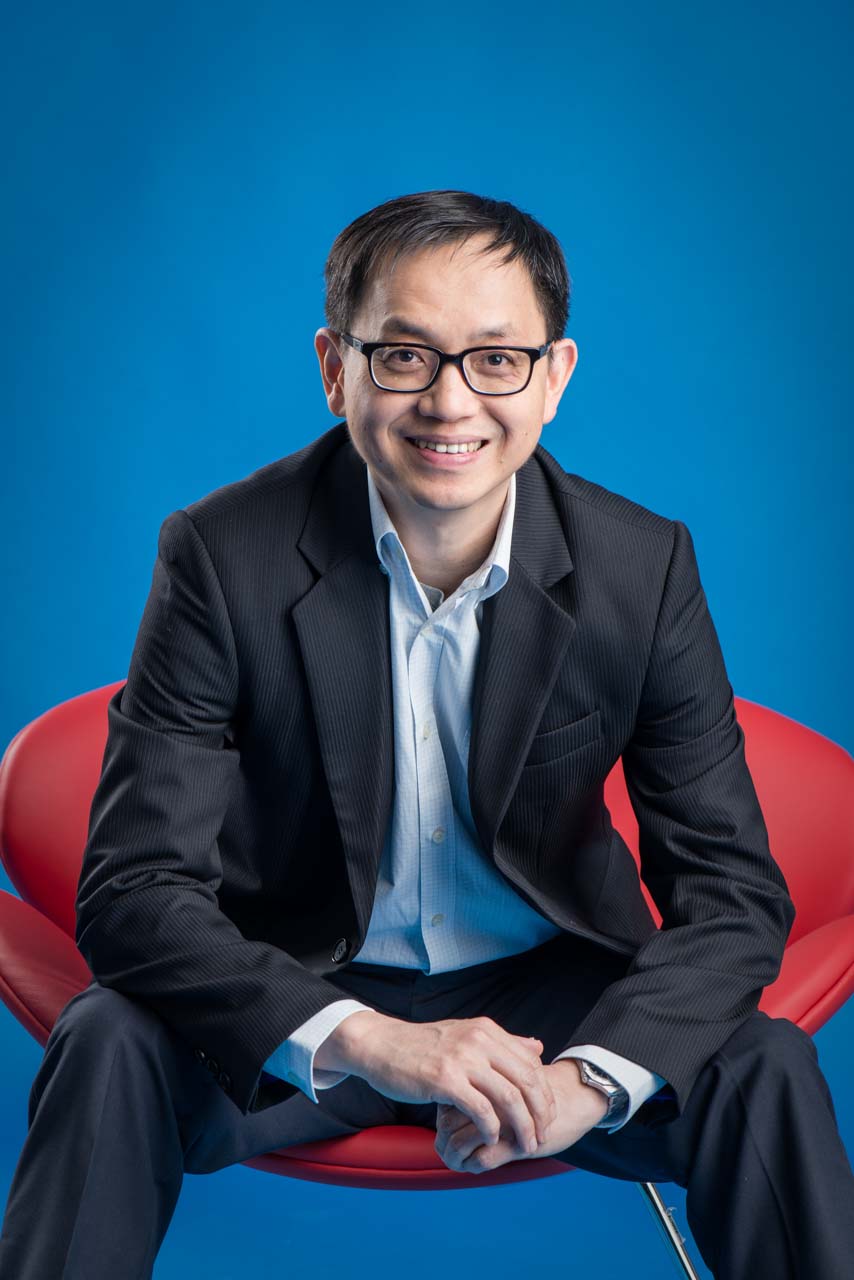
Look along the portraits below and you will notice they do not match, although the same photographer made every one of them. That is deliberate. A sales chief’s portrait has a different job from a founder’s, because they are not asking the reader for the same thing. A photograph made for an annual report has a different job from one made for a conference programme. The work is deciding what a portrait has to say, then directing the sitting until it says it.
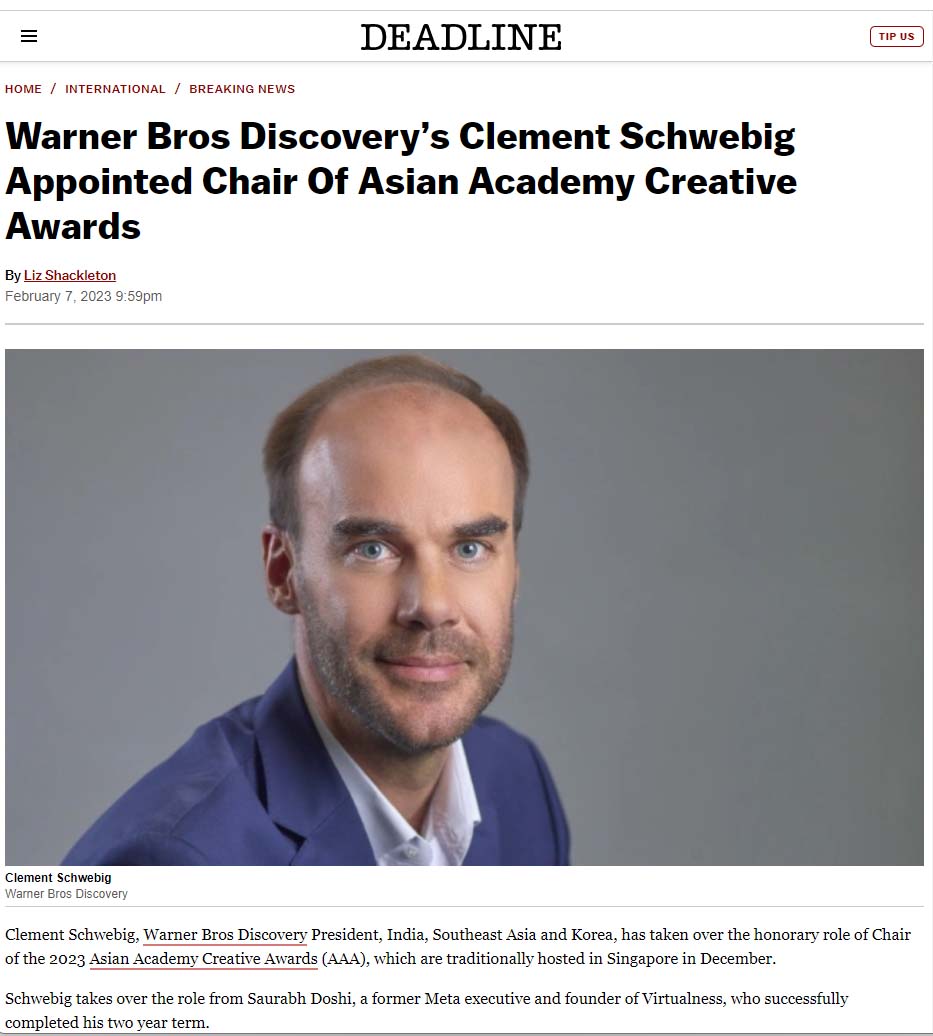
Clement Schwebig — Managing Director, South East Asia, Pacific and China, Warner Bros. Discovery
The job: Introduce a media leader to partners and press as someone easy to deal with, who is still clearly in charge.
What we did: Photographed standing in his own office, with his weight resting on a stair rail, collar open and no tie. His eye line is level with the lens, so he meets the reader instead of looking up or down at them.
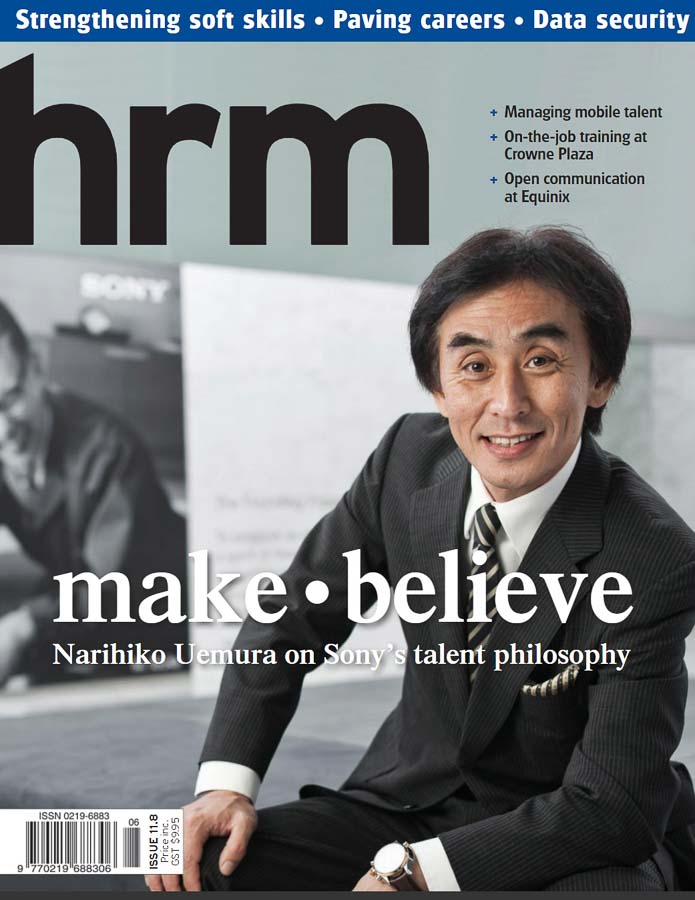
Managing Director, Asia Pacific, Sony
The job: Connect the man to a company whose history the audience already knows, because that history is part of his credibility.
What we did: Seated with elbow on knee, leaning towards the reader, while the founders’ photograph sits on the wall behind him. The lean is what makes it feel like the start of a conversation, rather than a record of a job title.
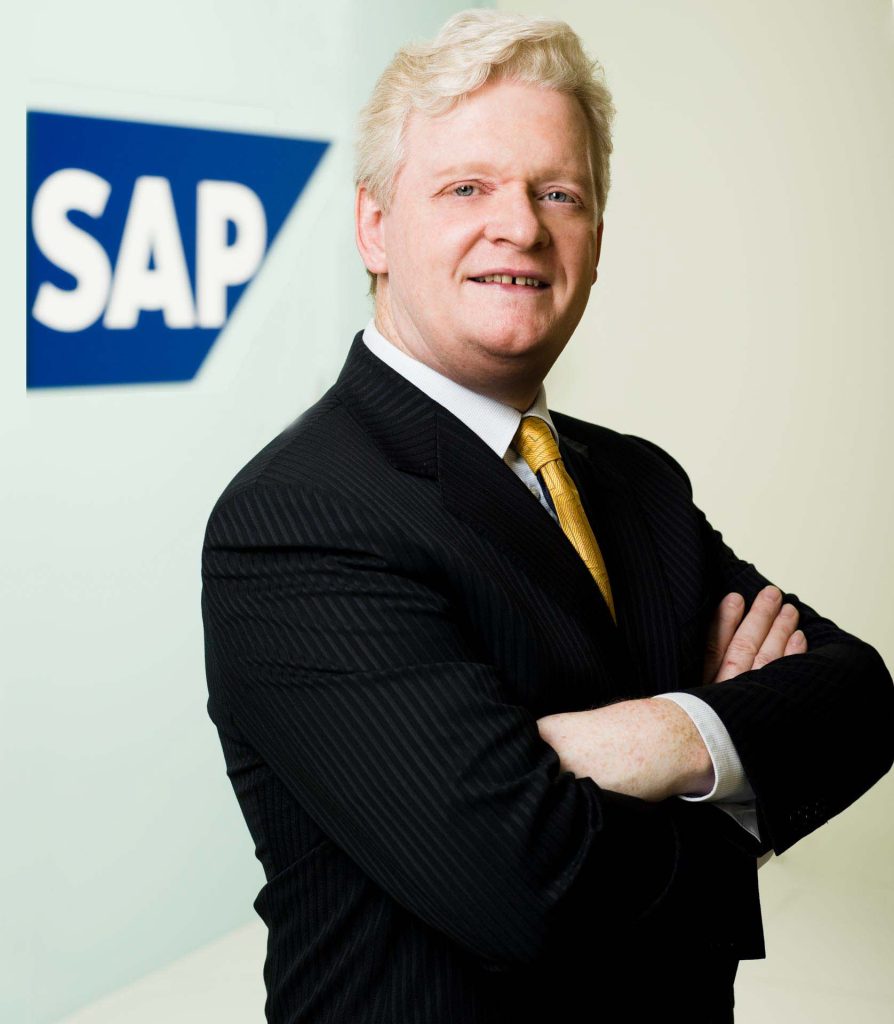
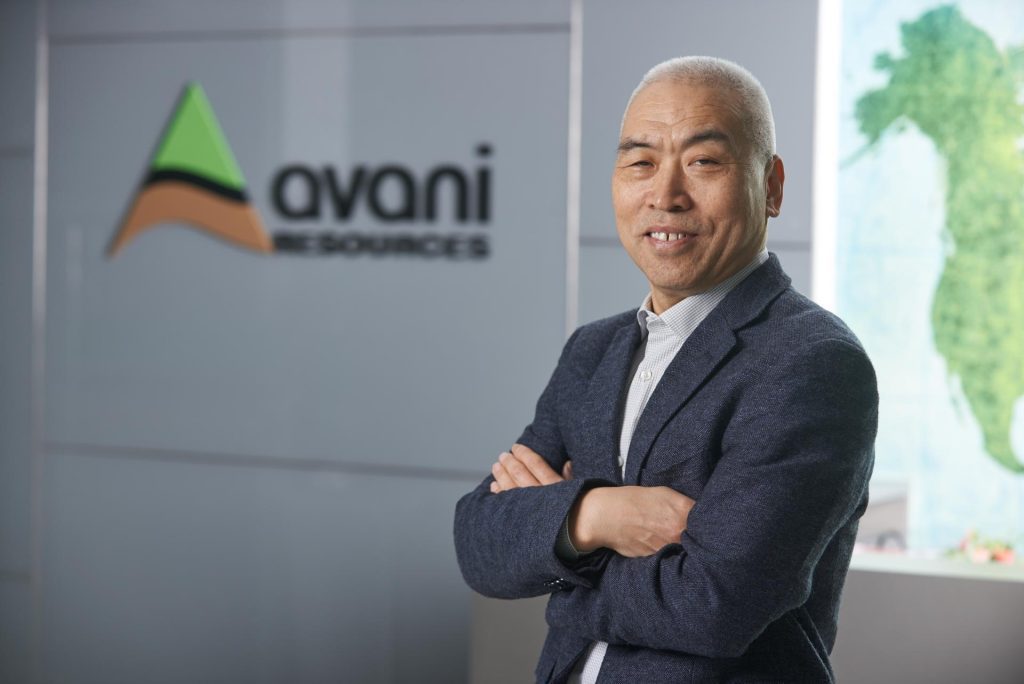
President, SAP
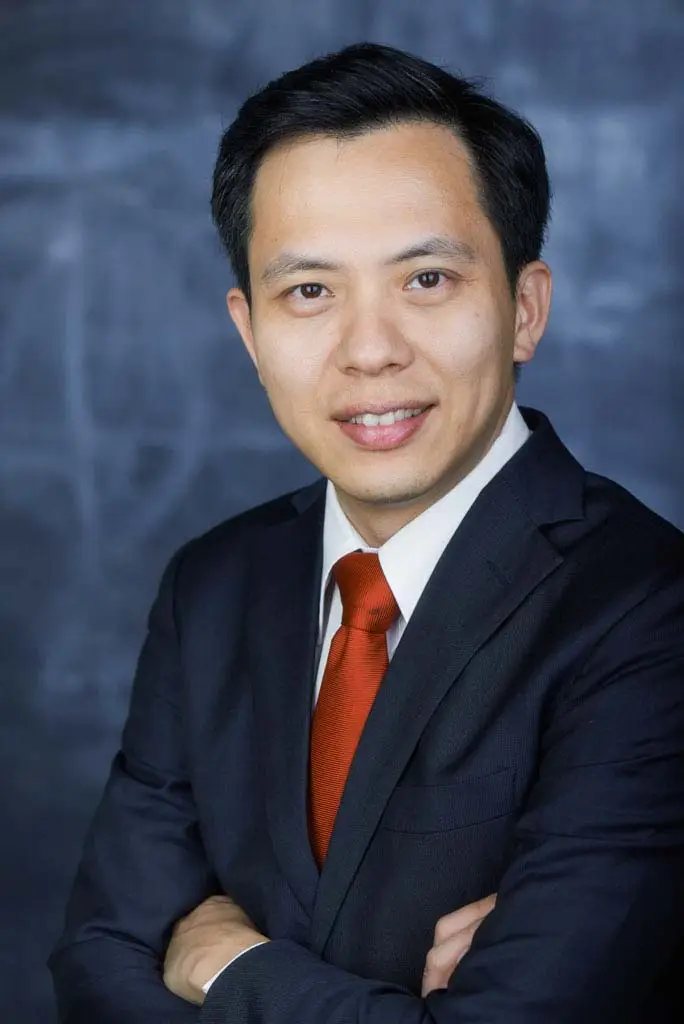
The job: An enterprise audience, so the image has to read as institutional authority.
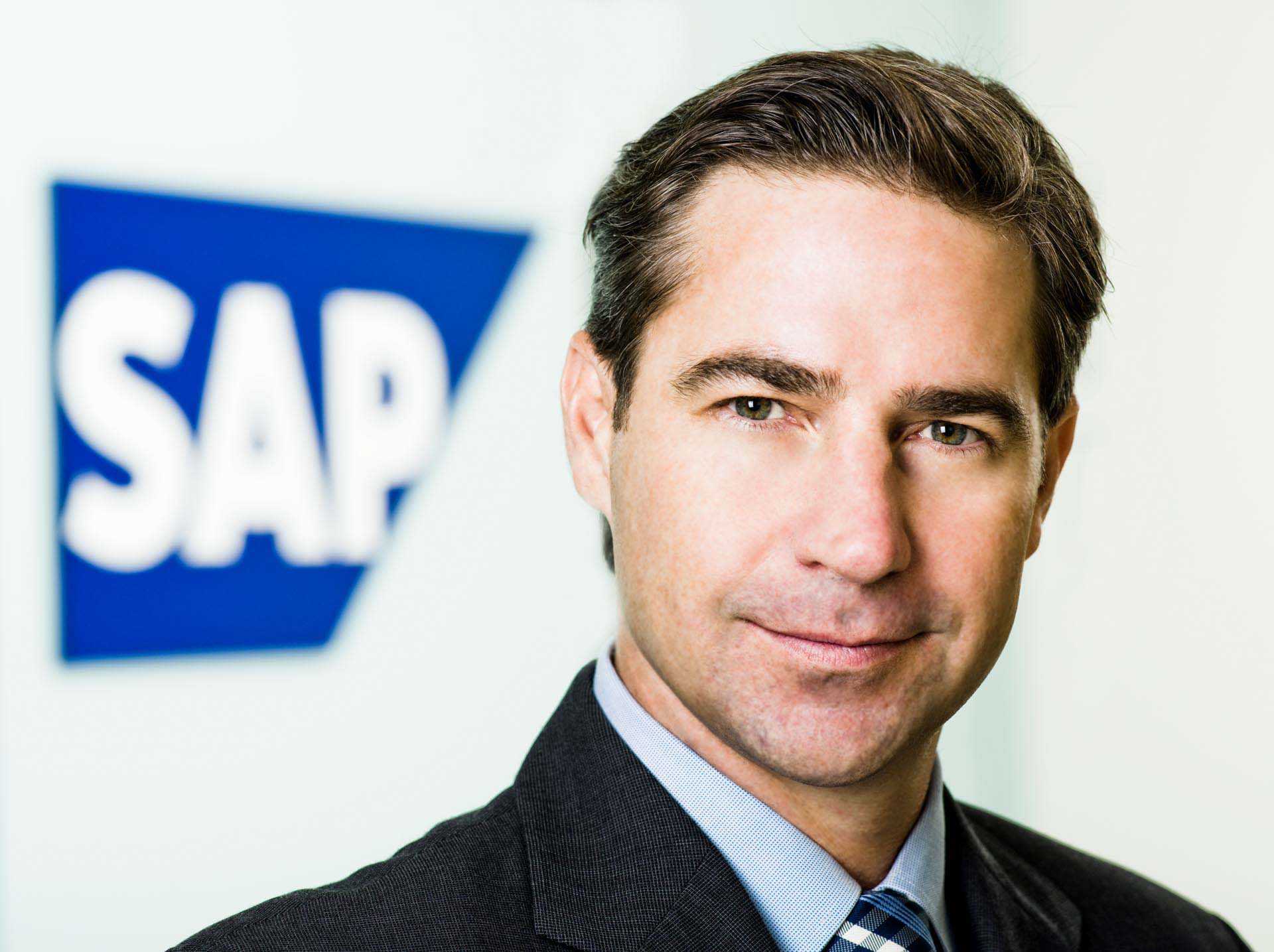
What we did: Arms folded, body turned slightly away, face returned to camera, the brand mark left in frame. Folded arms look defensive on a junior person; with the shoulders dropped and the chin level, they read as settled.
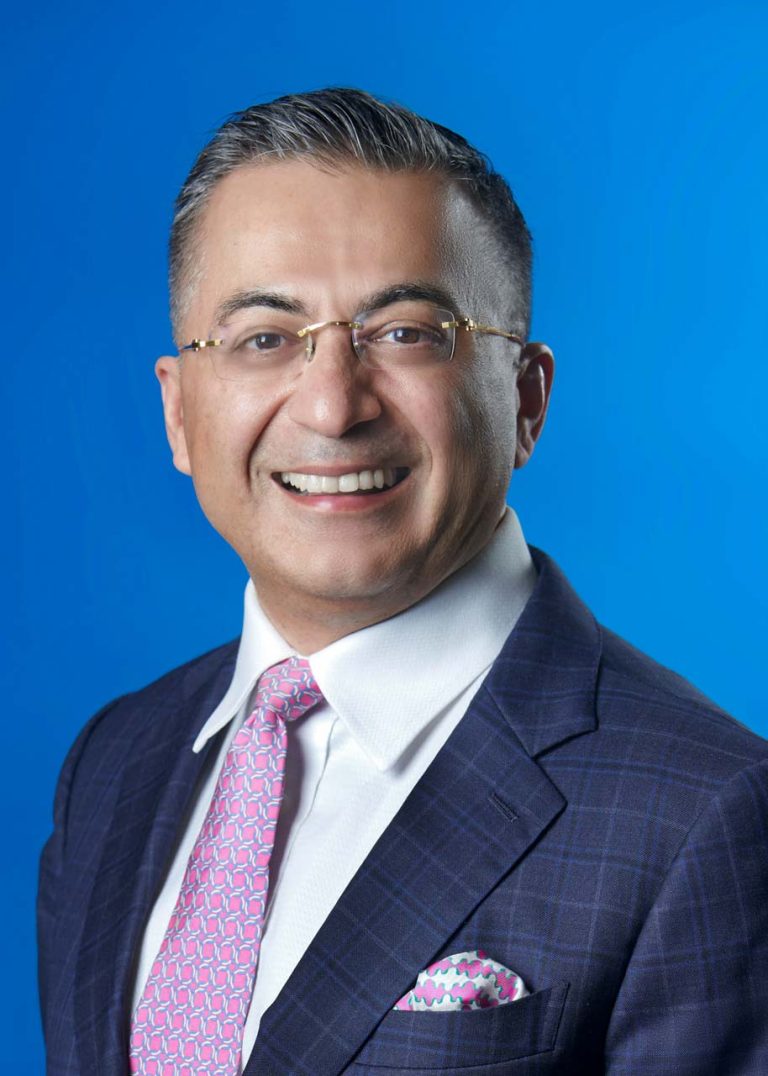
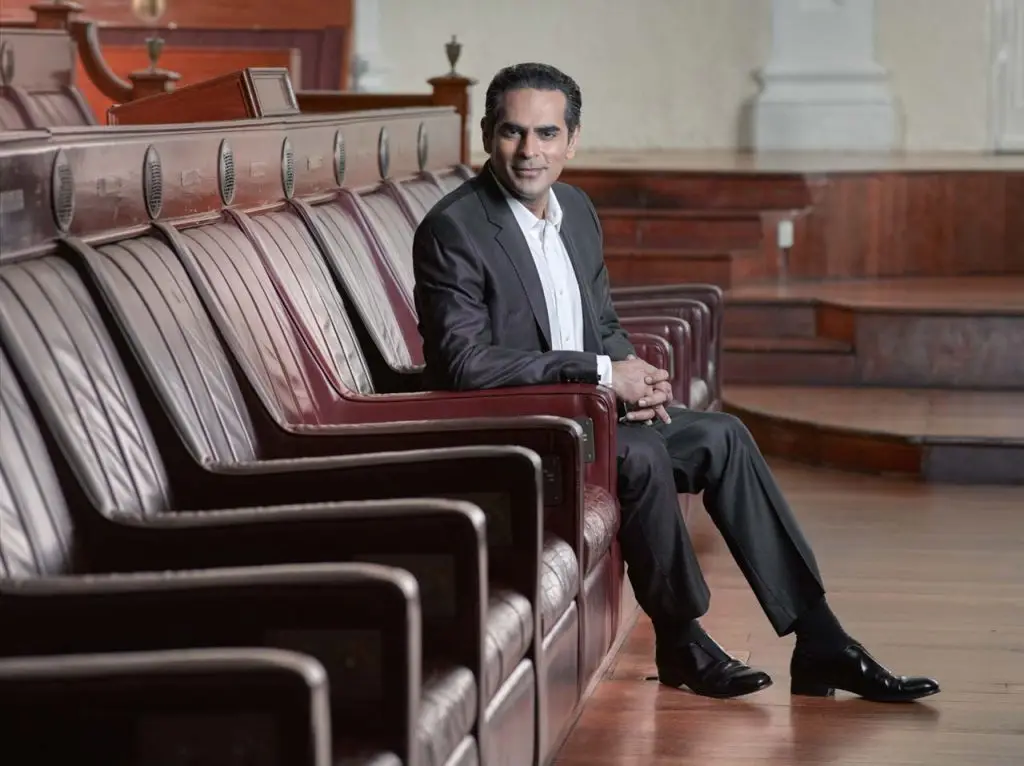
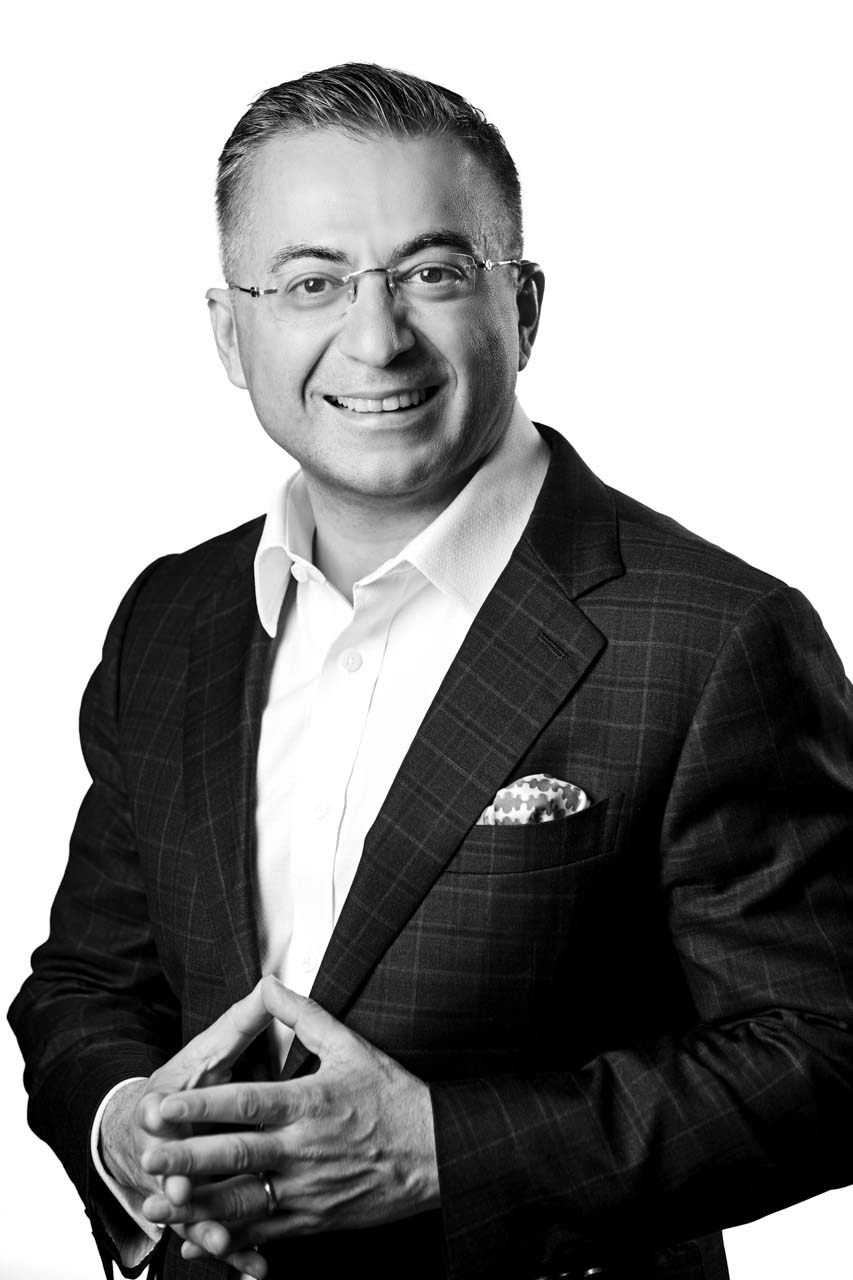
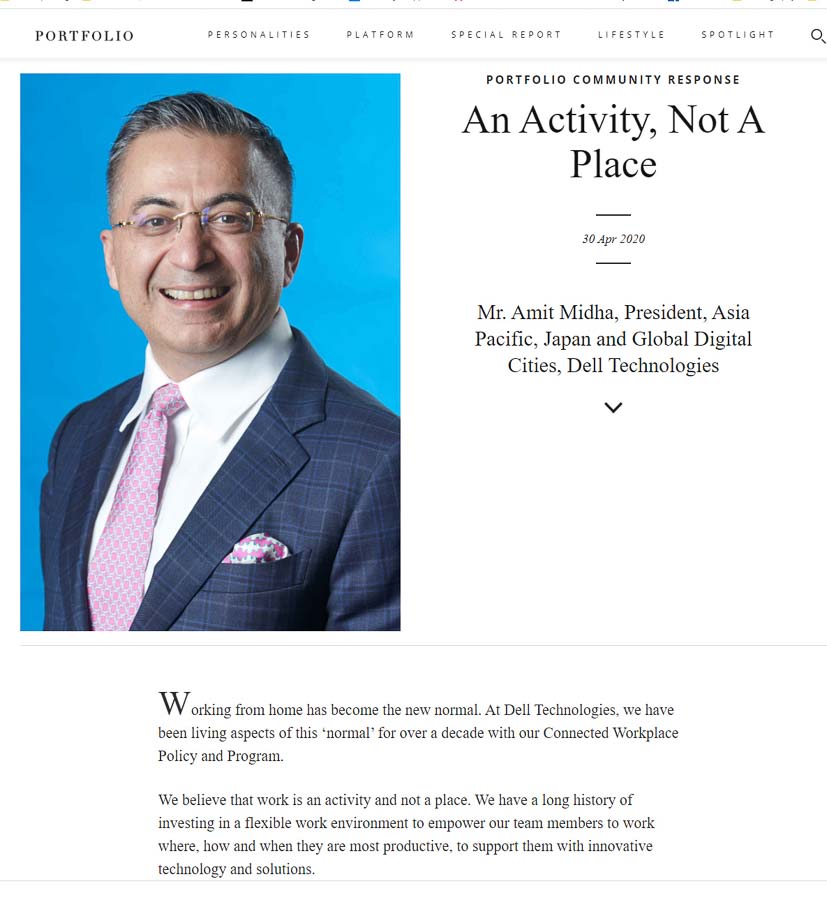
Amit Midha — President, Asia Pacific Japan and Global Digital Cities, Dell Technologies
The job: He fronts customers and conference stages, so he has to be liked as well as trusted.
What we did: A full, genuine smile with shoulders square, while nothing in the background competes with his face. This is the warm end of the range, which is exactly where his role needs him to sit.
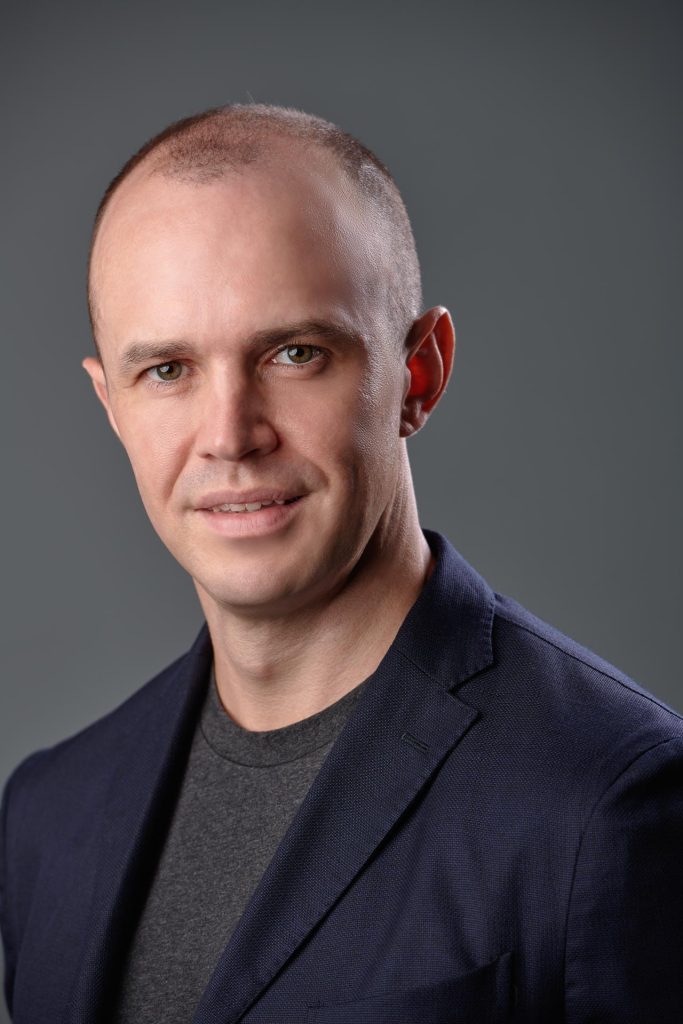
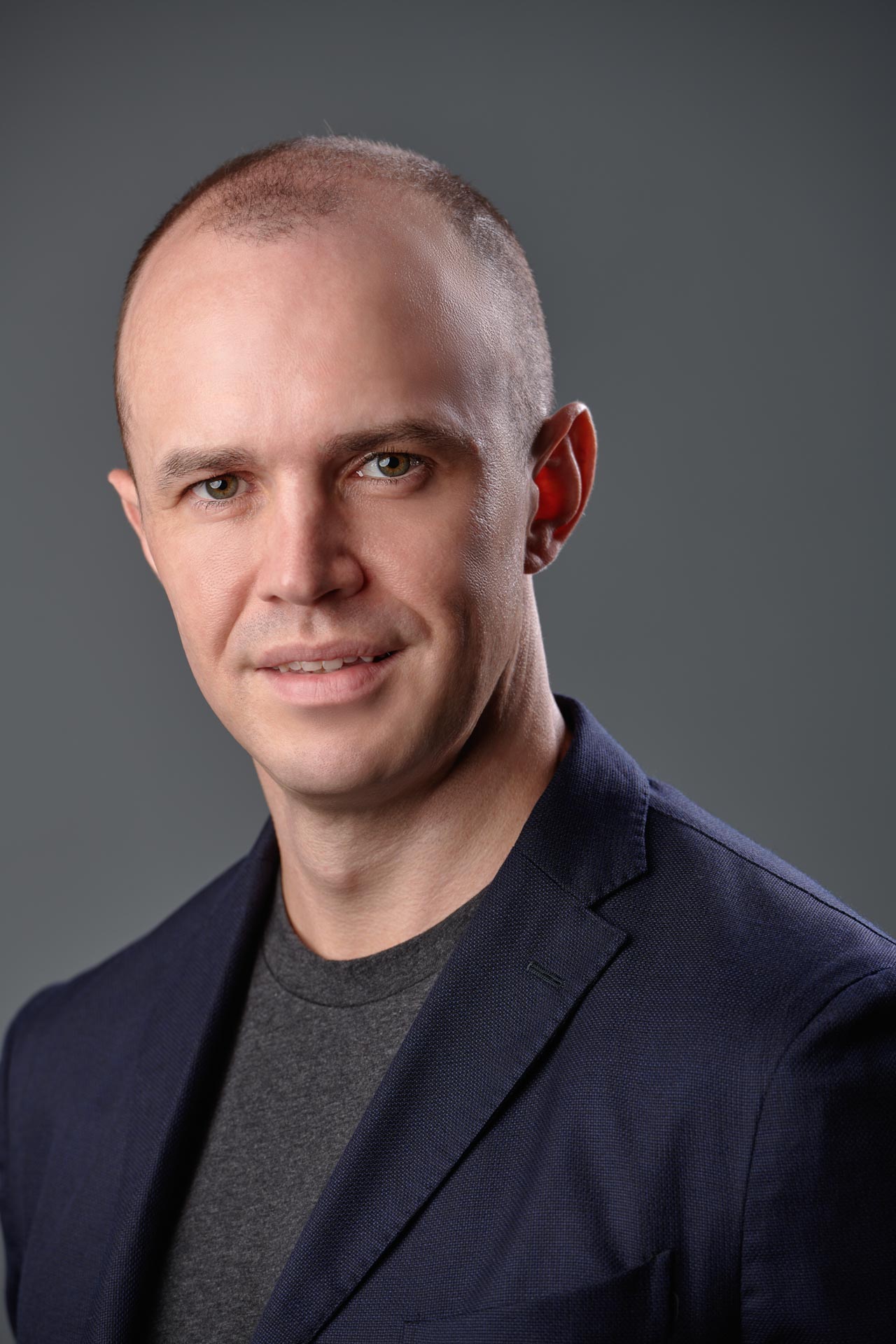
Fred Groen — OpenAI
The job: Credibility with engineers and investors, not consumers.
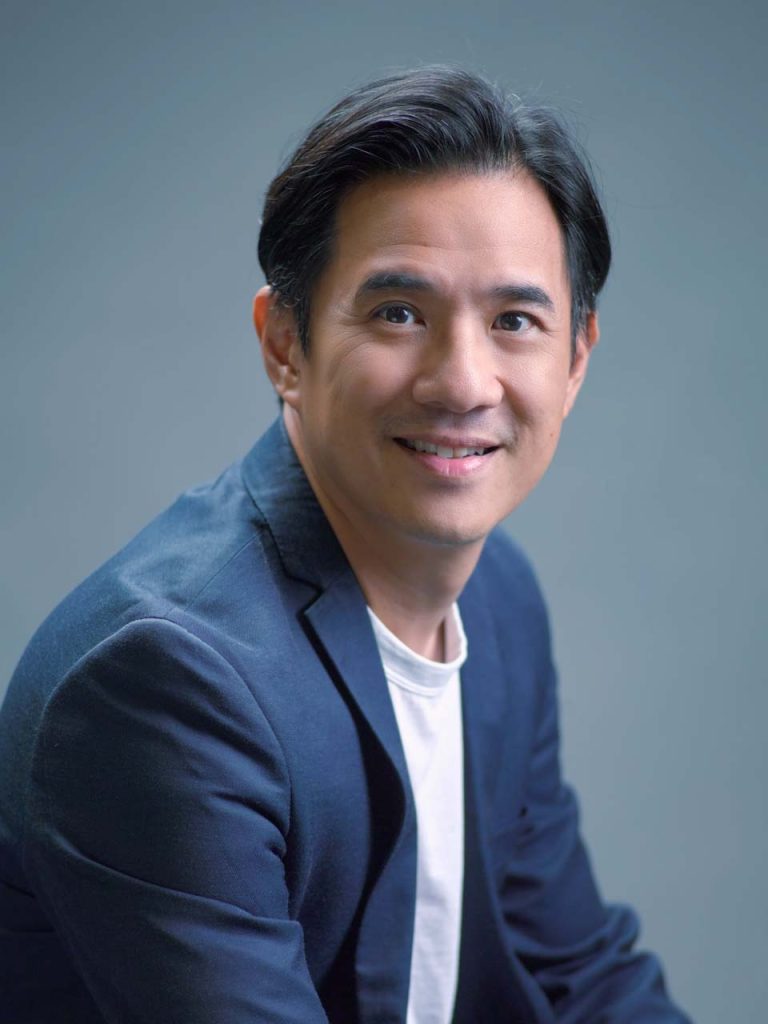
What we did: Plain grey, jacket over a t-shirt, almost no smile, so nothing softens the gaze straight down the lens. We hold the warmth back deliberately, because in this industry restraint reads as competence.
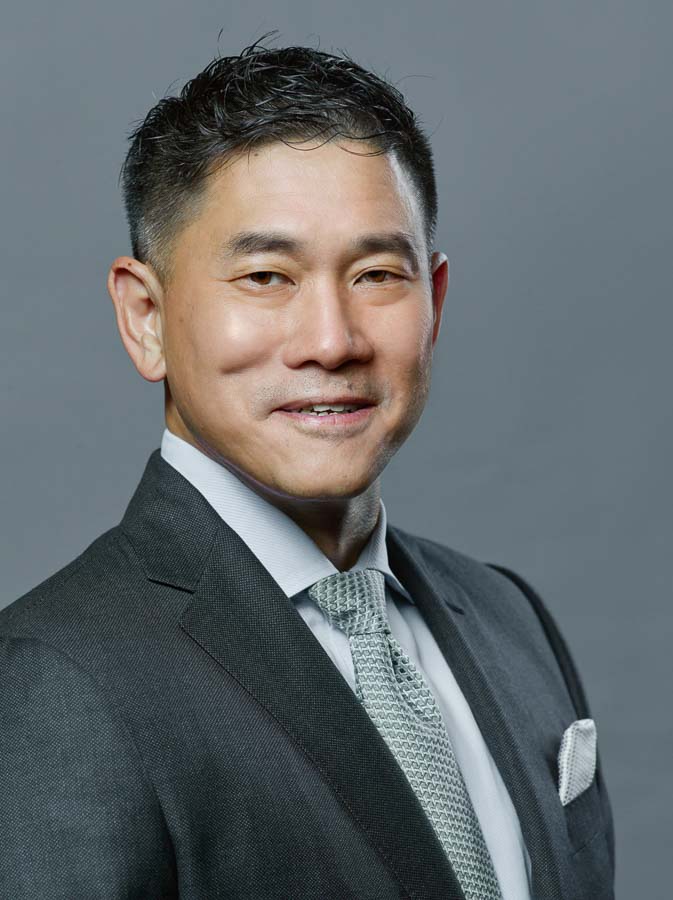
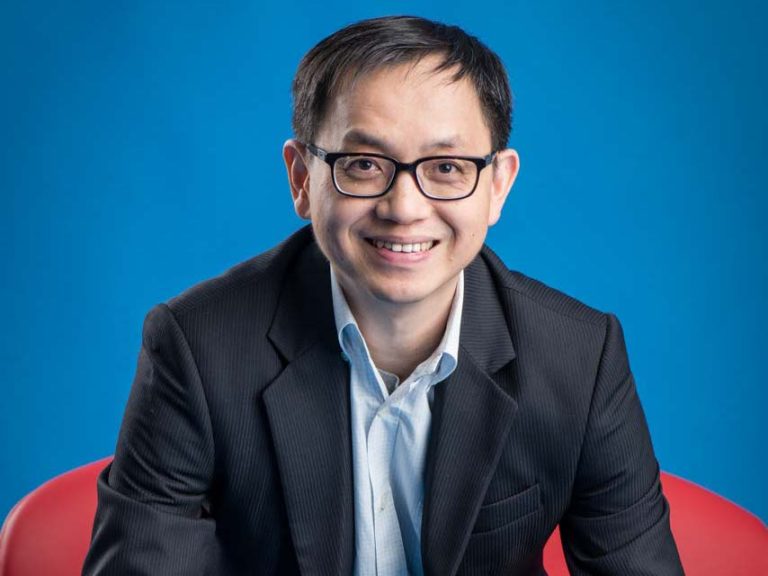
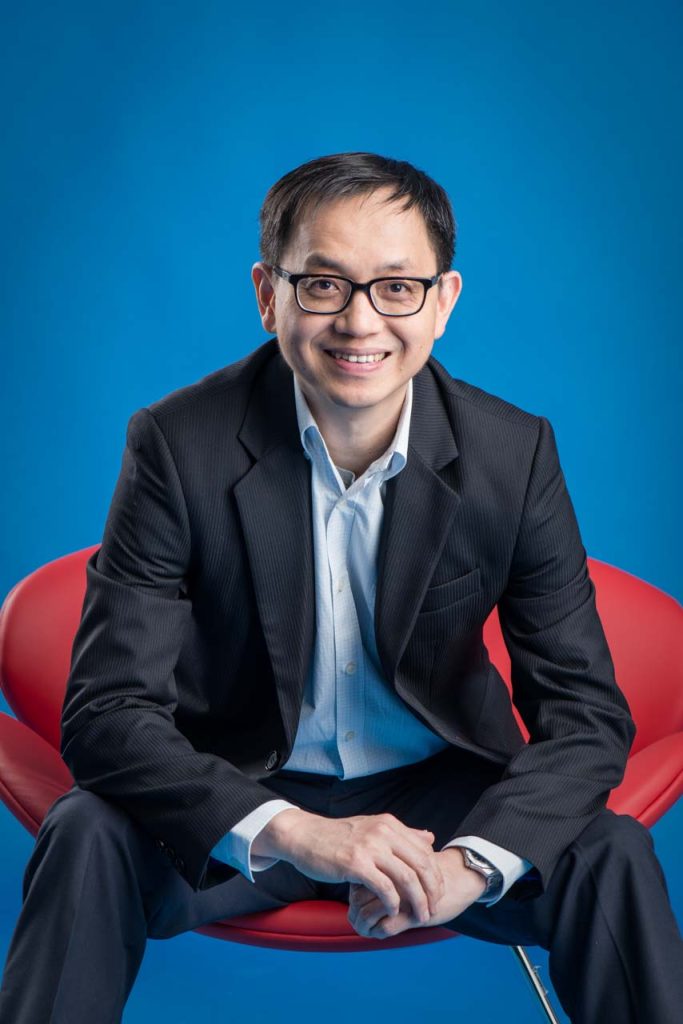
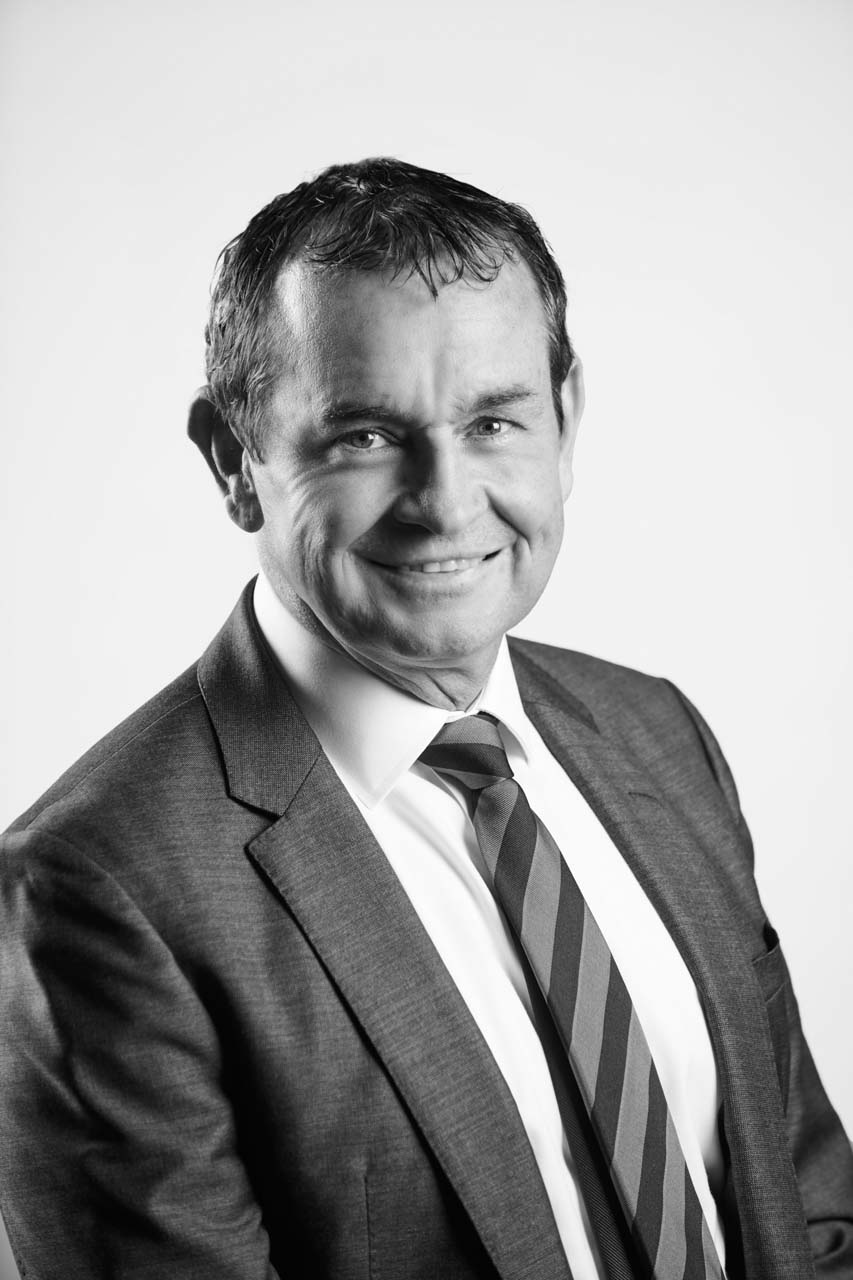
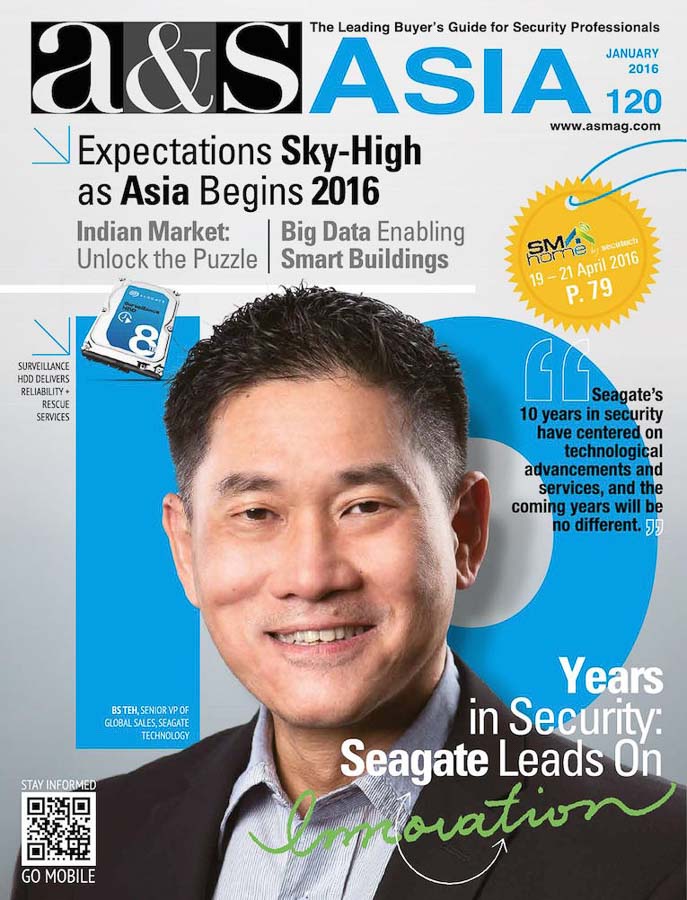
B S Teh — Senior Vice President, Global Sales, Seagate
The job: Seniority in a sales organisation, where overselling yourself is the fastest way to lose the room.
What we did: A slight, closed-mouth smile, body angled, chin a fraction down, so the confidence reads as his rather than borrowed. Quiet confidence instead of performance.
Six leaders. Six registers. One photographer. A studio that applies the same light and the same “say cheese” to everybody cannot produce that range — which is why so many leadership pages look like the same person photographed eight times.
Chief executives and boards have a page of their own, covering how a CEO portrait differs from a staff headshot, where it is used, and how a full board is photographed for an annual report.
Look again, and this time look past the faces.
Start with the linen weave in a jacket. A pocket square left in frame. A watch. A tie chosen with some care, then lit so its colour actually reads. Grey-on-grey, suit against background, almost the same value. An open collar where a tie was the obvious choice.
None of it was imposed. It is what these people already are, kept in the picture instead of lit flat and edited away. Authority on its own photographs as hard, and hard is wrong for a page that also has to attract clients, partners and future colleagues. So the light stays soft enough to hold the texture of skin and cloth, the shadow falls rather than cuts, and the human details stay where they are.
Authority first. A person second. Both present.
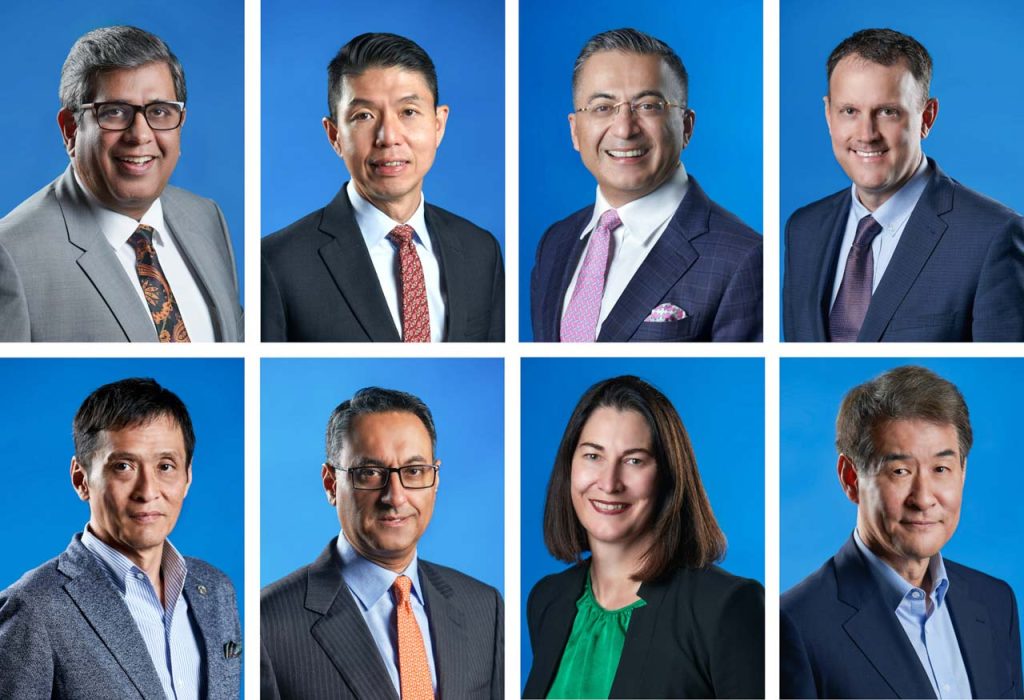
We light every face on its own terms, and then hold the set together around it. Because background, framing, camera height and colour stay fixed, a leadership page reads as one piece. The light moves for each person: a narrow face and a full one do not take the same key, glasses need the light moved rather than the head tilted, and deep-set eyes, a high forehead or a strong jaw each want something different.
Look at the Dell Technologies leadership set on this page — one blue, one crop, one eye height, and a different lighting solution on every face. Everyone flattered, and nobody merely recorded.
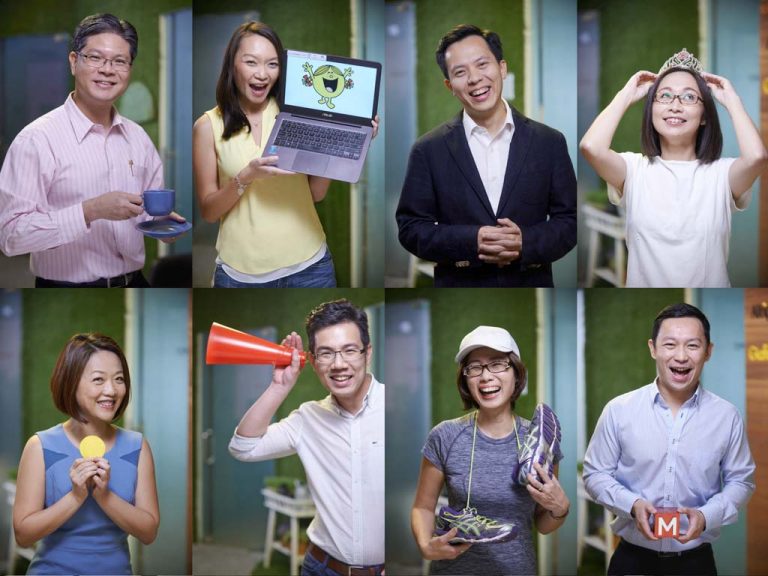
Because the specification is written down, it holds over time: a director photographed in 2025 and a new hire in 2027 still belong on the same page. That matters most at volume — a whole department in a day, a leadership team before an annual report deadline, or one standard applied across several offices.
Most company headshot libraries grow one person at a time, over years, under different photographers in different rooms. The leadership page looks assembled by accident: one person lit warm, the next cool, one cropped at the chest, another at the waist.
We solve this by fixing the setup, not the person. First, we lock lighting, camera height, lens, distance and background before anyone sits down. Every subsequent person — that day or two years later — matches the same specification. A new hire in 2027 will match a director photographed in 2025.
That matters most at volume. A whole department in a day, a leadership team before an annual report deadline, or one standard across several offices.
An environmental corporate portrait uses the workplace as part of the picture: a trading floor, a laboratory, a plant room, a lobby, a shipyard. When done properly, it tells a viewer what the organisation actually does, which a plain background cannot.
Examples of this work appear throughout our Singapore corporate photography projects. This is where twenty years of non-studio work matters. We have photographed in offices, factories, cleanrooms, theatres, shipyards and offshore facilities. Safety inductions, restricted areas, live operations and awkward available light are ordinary working conditions for us rather than obstacles.

Capturing the essence of the interior design together with the corporate portrait of Sony Managing director.
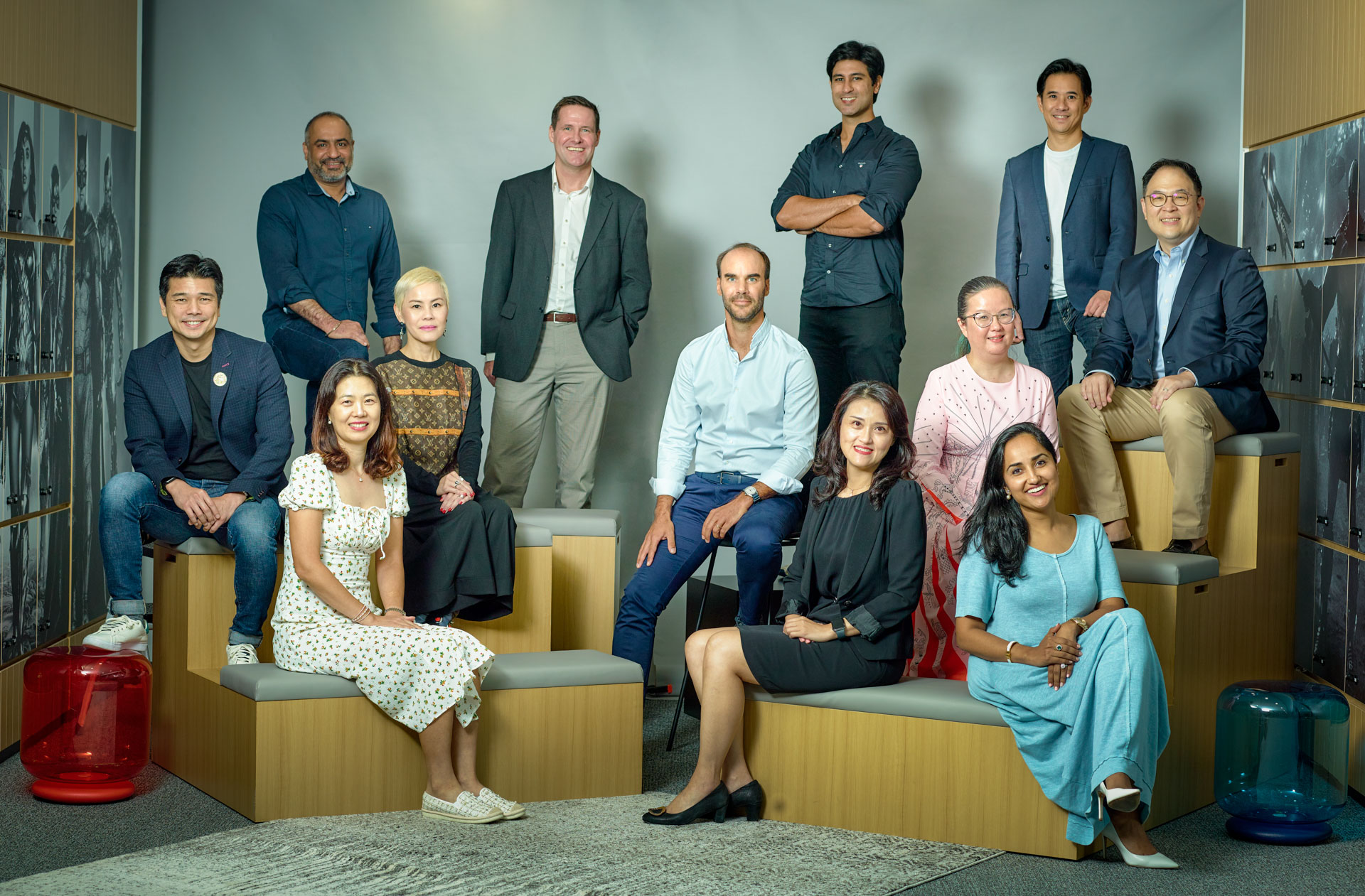
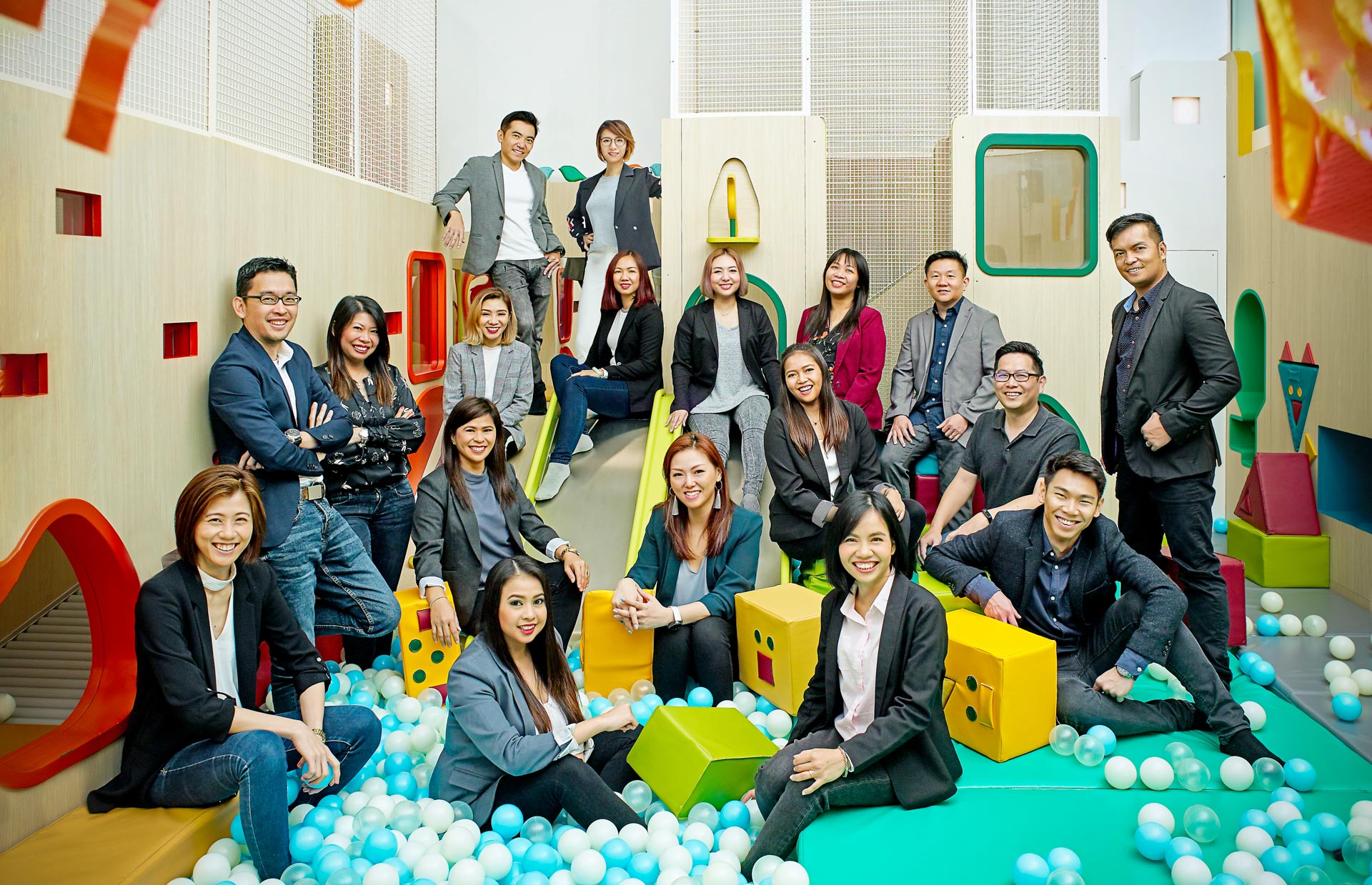
You can see finished corporate group photography in our past projects. Group work is a logistics problem before it is a photographic one, because the picture cannot start until everyone is in the room. Typically the variables are how many people, how much room, and how long you can hold them still.
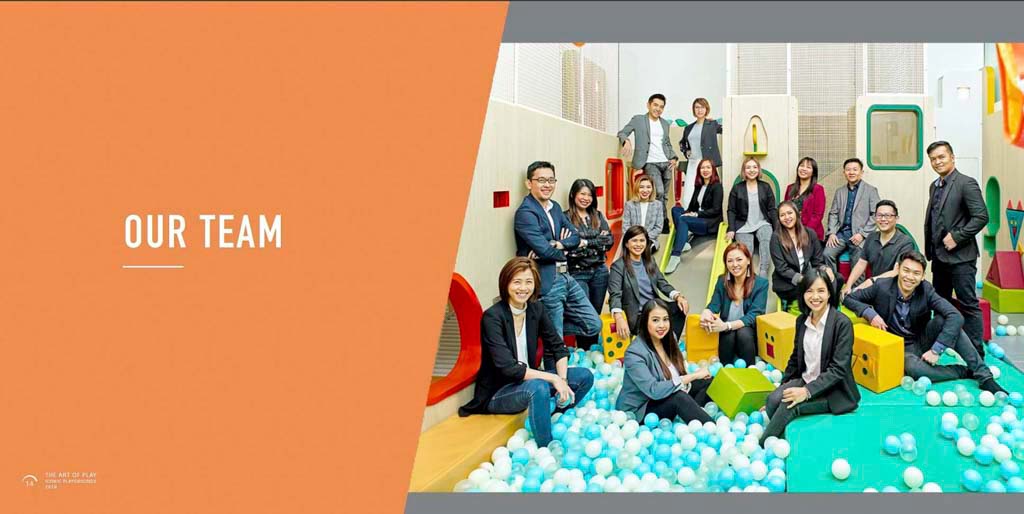
First, we photograph small groups together in one frame. Larger teams are arranged in sections so every face is properly lit and no one hides behind another shoulder. Occasionally a full team genuinely cannot be assembled, because of different shifts, different countries or one director travelling. We photograph the missing people separately to the same specification. They drop into the group image without looking pasted in.
Every corporate portrait session runs to the same seven steps, so you know what happens when and who needs to be where.
| Choose a studio backdrop when… | Choose an environmental portrait when… |
|---|---|
| One image must work everywhere — LinkedIn, press, conference programmes, directories | The image should carry personality and say something about the person’s role |
| You want a clean, timeless frame that nothing will date | The workplace — and what the company does — belongs in the story |
| Portraits must match across a team, including future hires | It will run at feature size: annual reports, interviews, about pages |
| Media and speaker kits need a distraction-free, easy-to-place image | You want to show the character and values of the organisation, not only a face |
The choice that matters is not where the session happens — it is what the image should say. A full studio setup travels to your office, and a studio can photograph an entire team, so location is a scheduling decision. However, the look is the strategic one.
A studio-backdrop portrait — white, grey or black seamless — removes context on purpose. Attention lands entirely on the face and expression. Because nothing else competes, every portrait matches the next, and the image stays neutral enough to work anywhere and to outlast trends. It is the working asset: LinkedIn, staff directories, conference programmes and press requests all take the same file.
An environmental portrait keeps the context in frame because the context is the message. Here the boardroom, the shop floor, the lab or the site says what the person does. It shows the character and values of the organisation, rather than only a face. Therefore this is the image for annual reports, features and about pages, where a plain headshot would look thin.
We can produce both looks at your premises, because we bring the full lighting setup and backdrop with us. A studio-quality result does not depend on being in a studio. A meeting room of roughly three by four metres is enough for seated and half-length work; full-length and group portraits need more depth.
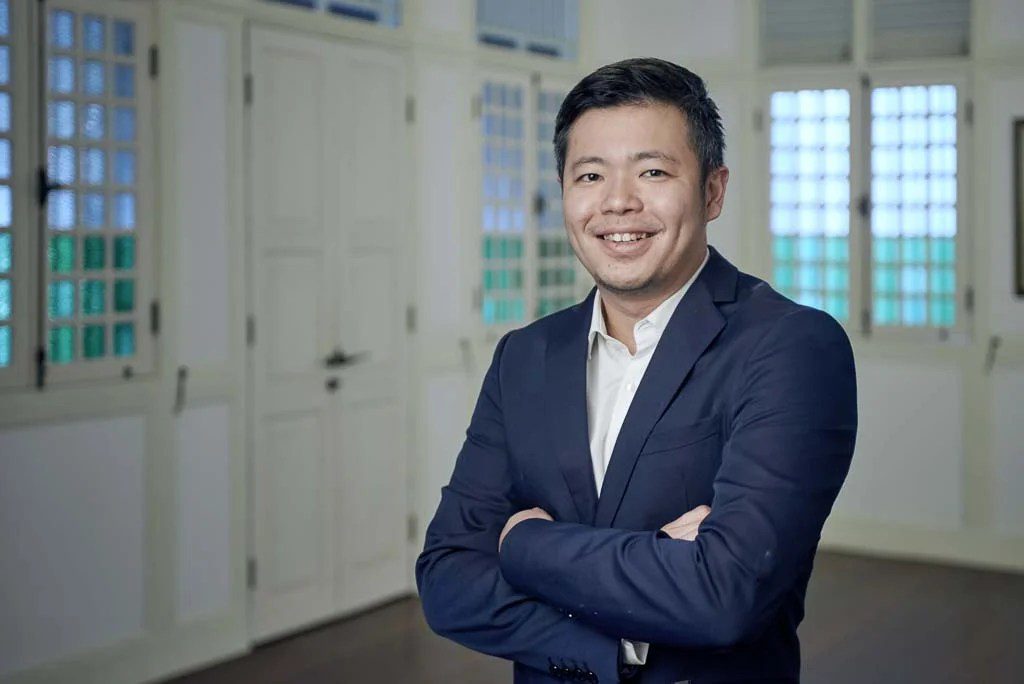
The workplace version carries a story, because the room is in the frame and the room is evidence. Sony’s Managing Director sits in front of the company’s founders, connecting a serving executive to a history the audience already respects. Warner Bros. Discovery’s managing director stands in a workplace that is unmistakably a media business. Pick Network’s chief executive is photographed beside the parcel lockers his company operates. Each picture answers “what does this person do?” before the caption has to.
The backdrop version carries standing. Strip away the room and all that is left is bearing — how someone holds their shoulders, what the eyes are doing, whether they look settled or braced. That is the portrait that puts quiet confidence and a little style in front of the public, and it keeps working when the person changes companies.
Since most organisations need both, we usually make both in one sitting.
Three things decide how smoothly a corporate portrait session runs: what people wear, how the images are finished, and what your organisation may do with them afterwards.
Solid, mid-tone business clothing photographs best. However, avoid tight patterns, stripes and checks, which can shimmer on screen, along with large logos or slogans that date an image.
Bring a jacket even if you do not intend to wear it — it gives a second, more formal version from the same sitting. Matte make-up helps under lights, while shine does not. For teams, a one-line dress note circulated in advance (“business attire, solid colours, no busy patterns”) does more for consistency than anything we can fix afterwards.

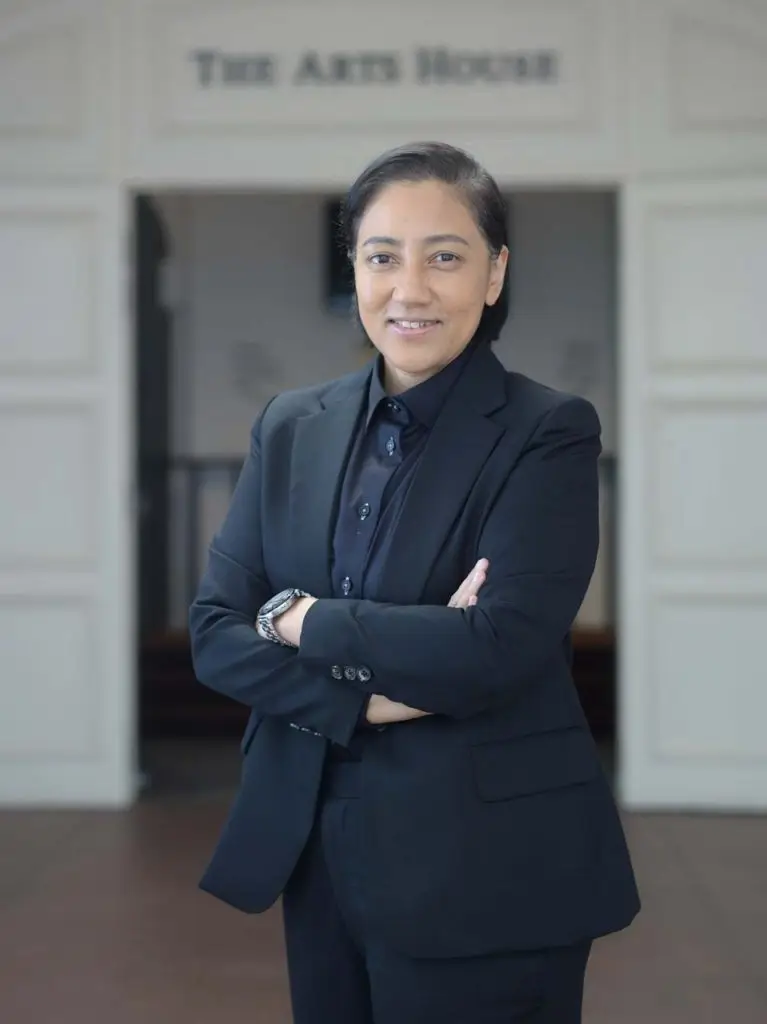
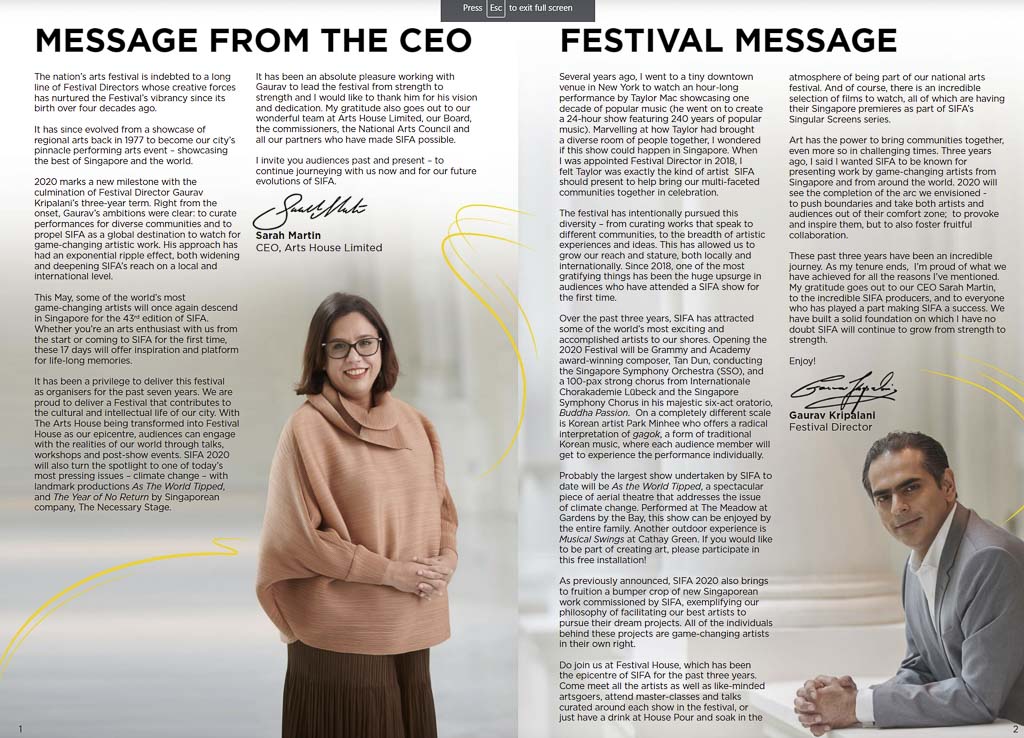
Sarah Martin, CEO Arts House Ltd 2017-2020. Photo taken At Victoria Theatre.
We colour-correct and finish every delivered image to a professional standard. Retouching removes temporary blemishes, stray hairs, shine and distracting creases. However, it always leaves the person recognisably themselves. We do not reshape faces.
Files are delivered in web-ready and print-ready versions, correctly sized and colour-managed for each. Where a deadline is fixed — an annual report, a press submission, a conference programme — tell us at booking and the schedule is built backwards from it.
Since the images are commissioned, we supply them for your business use: website, LinkedIn and social channels, annual reports, press and media, presentations, recruitment and internal communications. We confirm the scope in writing at booking, so nobody in your marketing team has to guess later whether an image can run in a campaign.
Corporate portrait work is judged on the same five things every time — experience, discretion, consistency, production and proof.
More than two decades photographing Singapore business.
Experienced with C-suite executives, boards and government officials.
A repeatable specification that keeps portraits consistent across teams and offices.
Comfortable working in offices and complex working environments.
Named Best Visual Photographer & Videographer 2022 at the Singapore Business Award by APAC Insider.
Corporate portrait work is judged by whether a photographer can work calmly around senior people, adapt to an unfamiliar environment and produce useful images to a consistent standard. These organisations have trusted Tuckys Photography with executive, team and corporate portrait work.
Clients
Dell Technologies · eBay · MUFG · MTI · PayPal · Rolls-Royce · SAP · SEAGATE · Sony · Warner Bros. Discovery
Executive portraits, leadership headshots and team sets made for organisations across Singapore and the region.
Corporate portrait photography is professional photography of an organisation’s people for business use — leadership pages, LinkedIn profiles, annual reports, press releases and internal directories. It covers individual headshots, wider environmental portraits taken in the workplace, and team or group photographs. Tuckys Photography has specialised in this work in Singapore since 2002 for clients including Rolls-Royce, Dell Technologies, SAP and Warner Bros. Discovery.
A corporate headshot is tightly framed on the head and shoulders and is built for consistency, so an entire team can be photographed to one identical standard. A corporate portrait is wider and more individual, often photographed in the workplace, and carries information about the person’s role and environment. Therefore most organisations use headshots for staff directories and portraits for leadership and communications material.
They are three different products for three different audiences. An executive portrait represents one named leader to investors, journalists, clients and conference audiences. Typically we direct it individually, often in the workplace. It then carries the annual report, press material and speaker bios. A corporate headshot is a uniform photograph made to one repeatable specification, so a whole organisation presents consistently across directories, LinkedIn and internal systems. Finally, a makeover or glamour photoshoot is a personal styling experience — professional hair, makeup and strongly retouched images made as a private keepsake. It is not designed for business use, and Tuckys Photography deliberately keeps corporate work free of that treatment: business portraiture must stay believable.
Because the heavy styling and retouching that make a glamour portrait flattering also make it less credible as a business image. Viewers form a judgement about a face almost instantly. Recruiters, journalists and clients then compare the photo with the person who turns up to the meeting. Corporate retouching is therefore kept light — skin tone, stray hairs, temporary blemishes — so the image remains honest about how you look. A visibly perfected portrait reads as staged, and it dates quickly. The goal of an executive portrait is recognisable authority: you, well lit and well directed, not a different person.
Individual corporate headshots take only a few minutes each once the lighting is set, because the setup stays fixed and only the subject changes. Therefore Tuckys Photography builds a running order in advance for team sessions. Each person then leaves their desk once, briefly, and the working day is barely interrupted.
Yes. Volume headshot days are routine work for us. We lock the lighting specification once and photograph every colleague to it. Therefore the hundredth person matches the first. We schedule short slots against a running order you approve beforehand. We photograph anyone who missed a slot to the same specification.
Both. Either way works: Tuckys Photography photographs on location anywhere in Singapore, bringing the full professional lighting setup to your premises, and we also photograph at our own studio. On-location sessions suit large teams and executives who cannot leave the building, while studio sessions suit smaller numbers and a neutral, controlled result.
Choose by what the image needs to say, not by where the session happens — both looks can be produced in studio or at your office. A plain studio backdrop in white, grey or black removes context, so the face carries everything. The look stays consistent across a team. It also works everywhere, from LinkedIn and staff directories to conference programmes and press kits. An environmental portrait deliberately keeps the workplace in frame to show role, personality and company character, which is why annual reports and feature pages rely on it. Most organisations need both — a backdrop set for everyday use, and environmental portraits for the leaders who front the company’s story.
We confirm your delivery timeline at booking, before the shoot, so everyone knows where they stand. We supply web-ready and print-ready versions, correctly sized and colour-managed for each. Where a fixed deadline applies — an annual report, a press submission or a conference programme — tell us at booking and we schedule backwards from that date.
Our corporate portrait and headshot work includes Rolls-Royce, Dell Technologies, Sony, SAP, PayPal, Warner Bros. Discovery, eBay, Seagate, Hitachi, MUFG, Unilever, Sanofi, Linde, Lucasfilm, Makino, Stork Marine, the National Environment Agency, Pick Network and Singapore government ministries. We have photographed Singapore business since 2002 and were named Best Visual Photographer & Videographer 2022 at the Singapore Business Award by APAC Insider.
First, look for a corporate portrait photographer who can show comparable corporate work. Second, check that they light on location rather than relying on your office windows. Ask for a repeatable specification, so a team photographed today still matches a new hire next year. The same test applies when appointing a corporate headshot photographer for volume work: ask how they keep the hundredth person consistent with the first. Tuckys Photography has photographed Singapore business since 2002 for organisations including Rolls-Royce, Dell Technologies, Sony and SAP, and was named Best Visual Photographer & Videographer 2022 at the Singapore Business Award by APAC Insider.
Finally, confirm the schedule and running order, circulate a one-line dress note, tidy any areas that will appear in shot, and nominate one coordinator for the day. Tuckys Photography supplies a pre-shoot checklist and directs every subject on posture and expression during the sitting, so colleagues who dislike being photographed still come out looking natural.
Yes. Tuckys Photography can schedule executive portraits, leadership headshots and wider team photography within one coordinated session. Because the lighting and visual specification are agreed in advance, senior leaders can still be given dedicated time for a more considered portrait. The whole organisation stays visually consistent while executive schedules are respected.
Press-ready files in several crops, consistent portraits across the whole leadership team, and clear usage rights. Media kits and journalists expect high-resolution images that work in print and on screen. In practice that means three crops: a tight one for directories and social profiles, a half-length for bio and leadership pages, and an environmental portrait for feature and conference use. Because the images accompany announcements, appointments and annual reports, they need to be planned against those deadlines and delivered with rights that cover them. Tuckys Photography shoots executive sessions with these variations in mind and delivers web-ready and print-ready files.
Every one to three years, and always ahead of a set-piece moment. A portrait should still look like the person who walks into the room, so it needs refreshing after significant changes in appearance or role. Communications teams also commission new leadership photography before predictable events. An annual report, a senior appointment, a listing or funding announcement and a keynote all qualify. Reusing images that no longer match the occasion rarely works. Photographing executives and refreshing the wider team to the same specification at one session keeps the whole leadership page current and consistent.
Usually both are needed, doing different jobs. Every executive should exist in the company’s consistent headshot system so directories and team pages hold together. Leaders who appear in public need considered individual portraits as well. Announcements, media interviews, conference programmes and the annual report all demand more time, direction and setting variety, because a template headshot looks thin at feature size. One coordinated session can serve both. We photograph the team to the standard, then reserve dedicated time for the executives whose images carry the public face of the organisation.
Because a broad smile signals friendliness, and a leadership portrait usually needs to signal standing. Research on Fortune Global 500 chief executives found smile intensity was associated with company performance only when the smile was confident and controlled, rather than warm and sociable. A slight, closed-mouth expression with engaged eyes reads as authority; a wide grin reads as someone asking to be liked. There is no rule against smiling — leaders who front customers, campaigns or public audiences often should smile fully, and we direct them to. The expression is chosen for the audience, not applied by habit.
A composed one. Annual report readers are investors, analysts, regulators and journalists, and they are assessing judgement rather than warmth. In practice that means a level chin, engaged eyes and either no smile or a slight, controlled one. Save the broad smile for recruitment pages and customer-facing material, where being liked matters more than looking measured.
Direction. A passport photograph records a face: camera square on, flat light, neutral expression, nothing decided. A leadership portrait makes choices — camera height, shoulder angle, chin position, where the light falls, how much shadow is allowed and what the eyes are doing. Those choices turn a record of a face into a statement about a person.
Camera height, shoulder angle, chin position, eye line, hands, weight and expression. Nobody is expected to know how to pose, and being told to “just relax” helps no one. We give small, specific physical instructions, keep the conversation going so the expression arrives by itself, and show results on a large screen during the session so decisions are made together rather than argued about afterwards.
By removing the guesswork and shortening the time they have to think about it. The lighting is built and tested before they walk in, so nothing is adjusted while they wait. Direction is given as small physical instructions rather than vague encouragement, and the expression is caught in conversation instead of held on request. Most executives who say they hate being photographed have simply never been directed properly.
Yes in treatment, no in standard. Everyone should sit within one consistent headshot system so directories and team pages hold together. Leaders who appear publicly also need individual portraits with more time, more direction and a setting that carries meaning, because a template headshot looks thin at feature size in an annual report or a magazine. One coordinated session can deliver both.
So tell us who needs to be photographed, where the session will take place and when you need the images. Then we return with availability, a practical shoot outline and a written proposal. Every corporate portrait brief is planned around what it actually needs.
Prefer to discuss it first? WhatsApp +65 9863 2707